Three of Swords: Honest Grief and Healing
The Three of Swords is the third card in the Suit of Swords and it signifies heartbreak, grief, sorrow and unpleasant truths. It is the time when a hurt becomes undeniable: a loss, a betrayal, a goodbye, words that can't be taken back. It’s one of the most recognisable cards in the deck, and one of the most misunderstood. It's a card of honesty too, for healing can't begin unless the hurt is acknowledged, yet it does speak of agony.
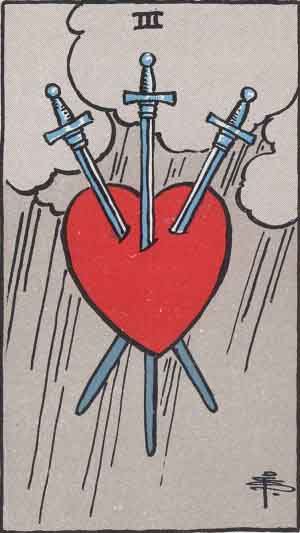
In the Rider-Waite-Smith deck, a huge crimson heart hovers against a background of gloomy clouds and falling rain. Three swords stab the heart from three separate directions. There is no figure within the scene. Only the heart, the blades and the storm.
One of the key ideas of the Three in the picture is: some pain is unavoidable, but it may be comprehended. The first thing you do is identify the wound.
If you are new to tarot, please read our Tarot Card Meanings guide and Suit of Swords guide to understand how this card fits into the greater system. This card is the number three, it is the energy of expansion and expression. In Swords it is the mind and heart colliding.
The Three of Swords at a Glance
Three of Swords at a glance
| Detail | Meaning |
|---|---|
| Card | Three of Swords |
| Number | 3 |
| Arcana | Minor Arcana |
| Suit | Swords |
| Element | Air |
| Astrological association | Saturn in Libra in the Golden Dawn system |
| Core themes | Heartbreak, grief, sorrow, painful truth, loss, emotional release |
| Upright | Heartbreak, grief, betrayal, rejection, painful honesty, sorrow |
| Reversed | Healing, forgiveness, recovery, releasing pain, moving on, lingering hurt |
Three of Swords Tarot Card history
Swords is one of the four suits of early European playing cards from the 15th century. In ancient Italian and Spanish decks the number cards simply represented the swords themselves in simple designs. It would have been three swords, no heart, no rain, no emotional scenario. The Three of Swords
Tarot began as a card game, and its divinatory application was developed later, mostly in the 18th and 19th centuries. When the Golden Dawn system introduced tarot into the esoteric traditions, the Three of Swords was connected with Saturn in Libra. Saturn is about boundaries and sadness and Libra is about relationships, so it makes sense why this card has been associated with emotional anguish in relationships for so long.
The most familiar image to most readers today is that of the Rider-Waite-Smith deck of 1909, designed by Arthur Edward Waite and drawn by Pamela Colman Smith. Smith’s torn heart and stormy sky converted an abstract number card into one of the most iconic pictures in tarot, and it affected just about every modern interpretation of the card.
The Meaning of Three of Swords symbols
The scarlet heart
The heart is at the center of the image and is symbolic of love, emotion and vulnerability. The size and location tell that it is anguish engulfing everything. The heart is damaged yet complete, which suggests that the pain, no matter how severe, is not the end.
The Three Swords
Three blades piercing the heart are thoughts, words or experiences that hurt. Swords are the suit of the mind, and therefore they also can reveal how our own thoughts – like reliving a memory, or telling ourselves a cruel story – can aggravate a wound. Three is typically seen as a triangle of agony, a hurt that has more than two sides, like betrayal, jealousy, or a third party.
Storm Clouds and Rain
The dark sky. The falling rain. Grief in action. Rain is also symbolic of release and purification. The storm may seem never ending but storms do pass, rain gives way to new growth.
People Absent
There is no figure here, unlike many other cards. This can be a sign that mourning is very personal, or that the pain is so overwhelming it feels larger than one individual. It also invites you to see your own heart.
Red Colour
The scarlet heart popped boldly against the grey background. Red is the colour of life, love and passion, a reminder that pain and love are close. We ache most where we have loved most.
Number Three
The number three signifies development, expression and creation. This is the first sign of something taking shape in several tarot suits. In Swords that progress is in the form of a harsh truth. The Ace gave clarity, while the Two brought a difficult choice. The reality cannot be hidden by the Three and the emotional impacts are felt. The card is suggesting that knowledge might hurt yet it has the potential for change as well.
Three of Swords Upright Meaning
The upright Three of Swords often indicates heartbreak, sorrow, or an unpleasant realisation. Maybe you just had a break-up, a betrayal, a loss or some words that really wounded you. It might also appear when you are confronted by a fact you have been avoiding.
If you are: The Three of Swords could show up if you are:
- Moving on after a breakup or rejection
- Mourning a loss
- Listening to a painful truth
- Coping with betrayal or disappointment
- Healing from emotional scars
- Feeling alone or misunderstood
- Dealing with the end of a relationship or friendship
- Allowing Yourself to Feel Sad
The main takeaway is that pain does not mean failure. It is a sign that something counted. The card doesn't say you have to rush grieving. It requests that you own it, feel it, give it time. Only then can the swords be pulled out and the heart begin healing.
The Meaning of the Three of Swords Reversed
Three of Swords Reversed When upside down, the Three of Swords is generally a card of healing. You may be ready to forgive, to let go of old grief, to go on. The worst may be behind you. It can show the swords being withdrawn from the heart and recuperation has begun.
The reversed card may be saying too:
- Recovery and healing
- Forgiving yourself or another person
- Releasing grief
- Holding on to bitterness or suffering
- Denial or resistance to sadness
- Opening up an old wound
- Slow and uneven healing
- Breaking the Cycle of Pain
The reversed Three asks: are you ready to let go, or are you hanging onto the pain because it’s familiar? Healing is not a linear process. Be kind with yourself and allow the process to take the time it need.
Three of Swords Reversed Keyword
Healing, Pardon , Getting better, Ease pain, Next, Long-lasting pain, Secret pain, Resentment, Peace and Reconciliation, Emotional relief
Love & Romance: The Three of Swords
In love readings, the Three of Swords generally indicates heartbreak. It can be a sign of a break up, rejection, treachery, or a harsh talk. If you’re single it may indicate that you’re still hurting from a former relationship or that old wounds are influencing the way you approach new partnerships. It can also refer to the anguish of unrequited love.
The Three of Swords in a relationship can signify strife, painful words or a time of emotional separation. It could indicate trust concerns, a third party or a fact that has been revealed. The card invites you to speak honestly, but also invites you to be gently, as words can hurt as deeply as swords. If you are both willing to face it, the pain may even tie you two together stronger.
Three of Swords Reversed Love Meaning
The Three of Swords reversed frequently represents recovery after a period of grief in love. Maybe you're forgiving somebody, dealing with a breakup or getting ready to open your heart again. It might be a pair going through a hard phase and regaining confidence. In contrast, it may mean that old hurts are not quite healed. Don’t jump into something new unless you’re ready. Take your time.
The Three of Swords Emotions
As someone’s sentiments, the Three of Swords indicates melancholy, hurt or emotional distress. It could be something that has touched them on a very deep level, either in relation to you or something else completely. They may have difficulty verbalising their feelings or be wary from past hurt. The card shows a true emotion, although not always one that leads easily to joy. It can signify that they care but they are hurting.
Intentions: The Three of Swords
The Three of Swords can also be a question about someone’s goals, carrying baggage that may interfere with their plans. Past pain may make them uncertain about moving forward. Sometimes it can mean intentions that harm, whether or not they are intended. Observe how they speak and behave and seek clarification if you're not sure. Reversed it can suggest healing and willingness to move on or reconcile.
Three of Swords in Job & Career
In a career reading, the Three of Swords can symbolise disillusionment, strife or a terrible setback. It can mean:
- Job loss, redundancy, rejection
- Negative comments or strong criticism
- Colleagues' betrayal or conflict
- Disappointment at having missed an opportunity
- Burnout and emotional depletion
- The sadness of the end of a project or position
- The painful reality of your employment scenario
- The need to bounce back from a difficult event
The card urges you to recognise your sentiments, not to suppress them. Give yourself some time to digest, and then look at what the event has taught you. A setback is awful, but it also reveals what you really care about.
Three of Swords Reversed in Career
The Three of Swords in reverse symbolises the healing of a professional disappointment. Maybe you’re restoring confidence or forgiving a colleague or finding a new route after a setback. It could also mean that you are holding onto animosity at work or ignoring the emotions that come with a difficult event. Don’t carry previous hurts into fresh opportunities; allow yourself to heal.
The Money Three of Swords
Financially, the Three of Swords can signify disappointment or tension relating to money. It could be a loss, an unexpected expense, a financial quarrel, or melancholy connected to a money-related event. It can also reveal how feelings influence financial decision making. It may mean, when reversed:
- Recovering from a financial setback
- Releasing Stress over Money
- Slowly recovering from a loss
- Unrelenting worry or remorse
- Learning from prior financial blunders
The card encourages honesty about financial hardship rather than trying to avoid it. If you need some help, get some help, check out the facts and don't make any big judgements while you're hurting.
Yes or No – Three of Swords
In general, The Three of Swords as an answer to a yes or no inquiry means “no.” It foretells disappointment, anguish, or a hard truth about the issue. It is not a promise of failure, but it is a sign that the response might not be what you hope. The card is more likely to say “no” when the inquiry is about:
- Making Peace with Someone Who’s Hurt You
- Betrayal or conflict scenario
- Hope for a pain free result
- Fleeing from a brutal truth
If the card is reversed the answer may turn to yes or eventually when healing and release begins. The journey may still demand self-compassion and patience.
Advice For The Three Of Swords
When the Three of Swords is the guidance card, the lesson is to allow yourself to feel what you feel. Don’t rush sadness. Don’t pretend you’re well. Recognise the hurt, speak with someone you trust, allow yourself time to heal.
At the same time, watch out for the stories you tell yourself. The mind may make a wound worse by thinking about it over and over again. Try to separate what happened from what you think it signifies. The healing begins when you are honest with yourself, and compassionate to yourself.
The Three of Swords in Various Spread Positions
Three of Swords in the Past
Maybe you have a broken heart, loss or harsh truth that still stings. Old wounds may affect feelings or behaviour now.
The Three of Swords Today
You are at a time of sadness, pain or emotional honesty. This might be a time for grief, for speaking the truth, or for asking for help.
Three of Swords in the Future
A hard reality or painful moment may be coming. It can be a warning to emotionally prepare yourself, to be careful what you say, and to guard your heart.
Challenge with Three of Swords
Maybe the struggle is to let yourself feel pain without drowning in it, or to let go of old suffering so you can go on.
Three of Swords as an Outcome
The circumstance may be heartbreaking or disappointing, but it also holds the possibility of understanding, closure, and eventual healing.
The Three of Swords and its Elemental Association
The Three of Swords is associated with Air, the element of intellect and communication. It is also linked to Saturn in Libra in various ways. Saturn is limitations , learning , and loss . Libra is connections and balance . Together they speak to the card’s topic of emotional pain in relation. Tarot correspondences differ from tradition to tradition and deck to deck, so think of them as guidelines rather than strict rules.
Three of Swords Tarot Card Hidden Spiritual Meaning
In terms of spirituality, the Three of Swords is about transformation via pain. It teaches us the heart can be broken and still be complete. Grief is a terrible burden, but it can bring us to more compassion, depth and understanding.
The card also teaches that to tend to escape suffering is to prolong it. When we allow ourselves to feel, we begin to let go. The Three of Swords is an invitation to bear your grief honestly, without letting it define you, and to believe that the storm will pass.
Tarot Reading: Three of Swords
If you pull the Three of Swords, ask yourself these questions:
- What anguish do you hold? Have you allowed yourself to feel it?
- Is there a truth that you have to accept?
- Are you replaying a hurt in your head?
- What or who could help you heal?
- What does forgiveness look like for you?
The Three can be particularly meaningful when paired with cards that suggest healing, change, or hope. Always read it in relation to the question and the other cards. Want to know what the Three of Swords signifies for you?
Three of Swords and Other Cards
- The Lovers and Three of Swords: Heartbreak or a tough decision in a relationship
- Three of Swords and The Star: Hope and Healing After Loss
- Three of Swords & The Tower: A unexpected shock or discovery that causes agony
- Three of Swords and Death: A necessary ending that brings sadness and change
- Three of Swords with Temperance: Slow, steady recovery
- Check out our Suit of Swords guide for more on the rest of the suit.
Conclusion
Three of swords is the card representing broken heart, anguish and honest pain. It reminds you that pain is a normal response to loss and that healing begins when you’re ready to meet it with kindness. When the Three emerges, ask yourself what you are grieving, what truth needs to be accepted, and what kindness you may provide to yourself. The storm is real yet it doesn't stay forever.
Read more in our Suit of Swords guide or take a free online tarot reading to see what the Three of Swords signifies in your own spread.
Explore the Other Swords Cards
Each card in the Suit of Swords marks its own stage, from the Ace to the King.
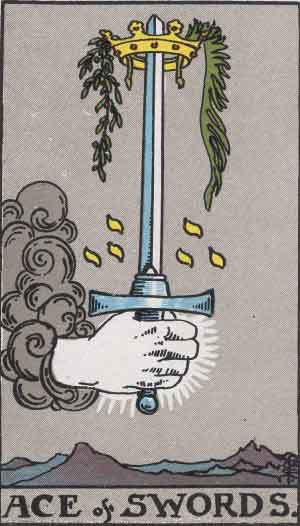 Ace of Swords
Swords · Ace
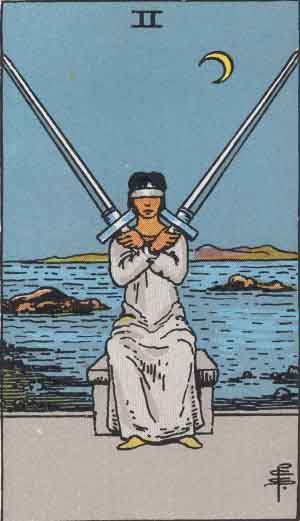 Two of Swords
Swords · Two
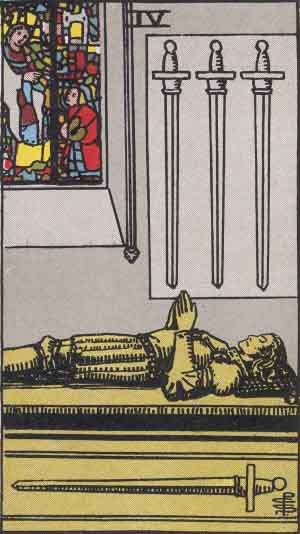 Four of Swords
Swords · Four
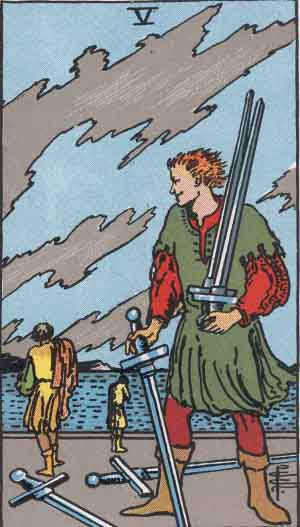 Five of Swords
Swords · Five
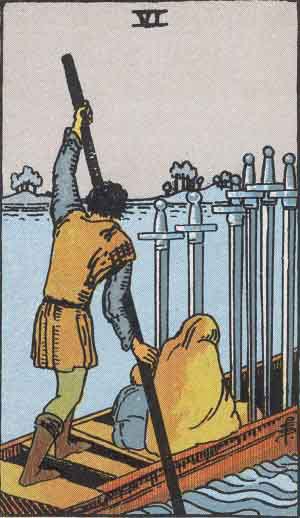 Six of Swords
Swords · Six
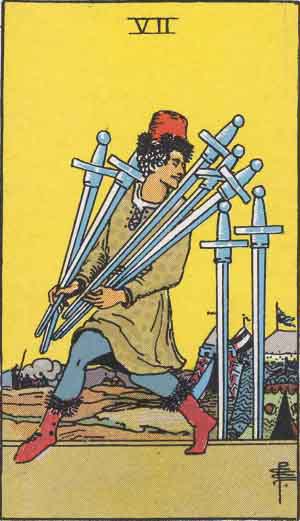 Seven of Swords
Swords · Seven
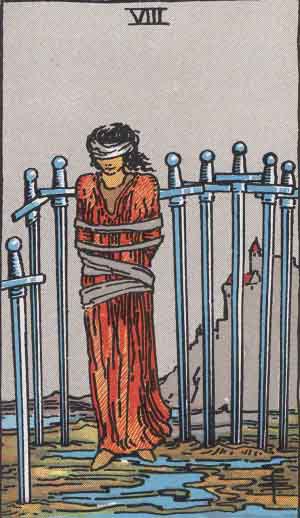 Eight of Swords
Swords · Eight
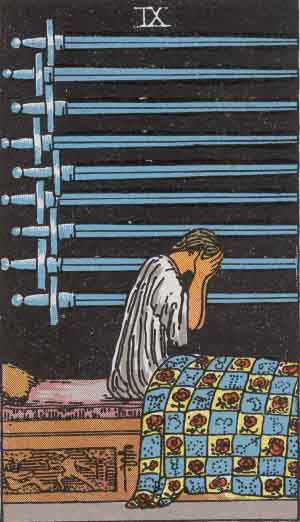 Nine of Swords
Swords · Nine
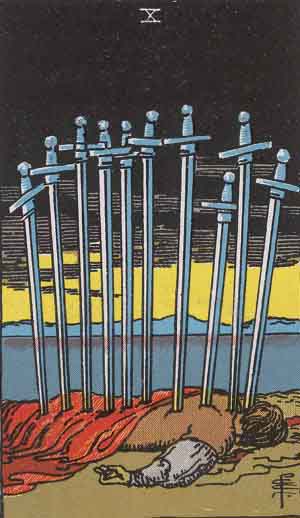 Ten of Swords
Swords · Ten
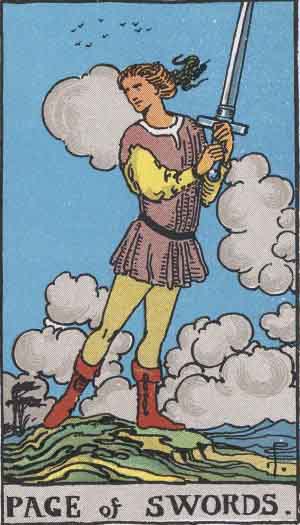 Page of Swords
Swords · Page
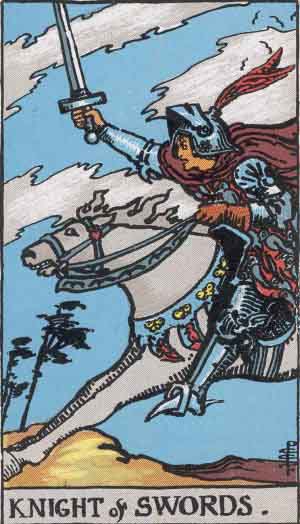 Knight of Swords
Swords · Knight
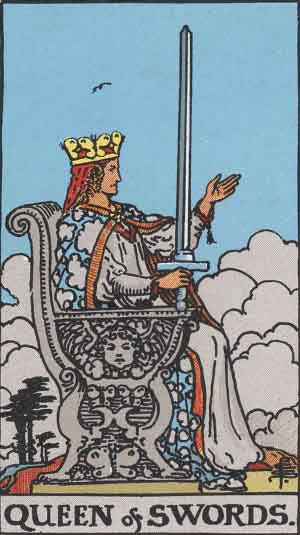 Queen of Swords
Swords · Queen
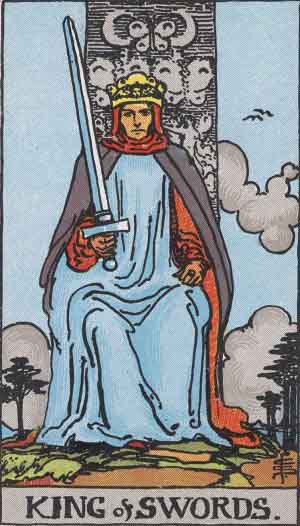 King of Swords
Swords · King
Frequently Asked Questions
What does the Three of Swords tarot card mean?
The Three of Swords stands for heartbreak, sorrow, anguish, and harsh facts. It often arises when you are facing loss, rejection or an emotional wound.
Is the Three of Swords a good card?
It’s about pain, so it can feel heavy, but it’s not all bad. It recognises pain with honesty, the first step in healing.
What does the Three of Swords symbolise in love?
In love it indicates heartache, betrayal, hard conversations, or hurt from the past that still hangs around. It can also promote open communication and emotional healing.
Meaning of Three of Swords Reversed
Upside down it means healing, forgiving and moving forward. It might also signify repressed grief or hanging onto old suffering.
Is the Three of Swords a Yes or No?
Usually a “no” as it implies a disappointment or a hard truth. Backward, it can tend toward yes or “in time” when the healing begins.
What does Three of Swords signify as feelings?
It indicates melancholy, injury or emotional distress. The person may care a lot but have difficulty expressing it.
What are the intentions of the Three of Swords?
It can mean their plans are being overshadowed by suffering from the past, or that their actions may create pain. Reversed it symbolises healing and readiness to move on.
What is the meaning of the Three of Swords in a job reading?
This points to disappointment, conflict or severe setback at work, as well as the need to process emotions and heal.
What is the Three of Swords zodiac sign or planet?
In the Golden Dawn system it is related to Saturn in Libra. The correspondence between the cards varies from custom to tradition and from deck to deck.
What does the Three of Swords indicate in the future position?
It signifies a painful moment or truth to be revealed and the need to prepare emotionally and speak with caution.
Three of Swords Spiritual Meaning
It means transformation via sorrow, that a wounded heart can still be more empathetic, and that it's necessary to confront sadness head-on.