Knight of Swords: Speed, Ambition, and the Charge Toward the Truth
The Knight of Swords is the most driven and fast-moving court card in the Suit of Swords. It stands for ambition, bold action, sharp intellect, and the urge to charge ahead without hesitation. It is the warrior of the suit: determined, direct, and sure of its cause, though not always careful about who it runs over.
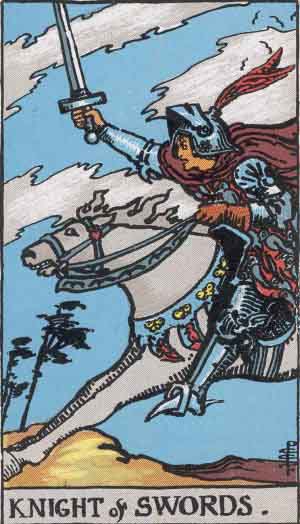
In the Rider-Waite-Smith deck, a knight in armor gallops across the card on a white horse, sword raised high. Clouds tear across the sky, the trees are bent by the wind, and birds are scattered in the distance. The horse is in full stride and the rider leans forward, eyes fixed on the target, ignoring everything around him.
The image captures the card's central lesson: speed and conviction are powerful, but they work best with a plan. If you're new to tarot, our Tarot Card Meanings guide and Suit of Swords guide explain how this card fits the wider deck. As a Knight, this card often points to a person or an energy that moves quickly, speaks boldly, and pushes for results.
The Knight of Swords at a Glance
Knight of Swords at a glance
| Detail | Meaning |
|---|---|
| Card | Knight of Swords |
| Rank | Knight (court card) |
| Arcana | Minor Arcana |
| Suit | Swords |
| Element | Air |
| Astrological association | Air signs (Gemini, Libra, Aquarius) in many modern traditions |
| Core themes | Ambition, action, speed, directness, conviction, impulsiveness |
| Upright | Bold action, ambition, quick thinking, direct speech, drive |
| Reversed | Recklessness, aggression, scattered effort, burnout, tactlessness |
The Knight of Swords Tarot Card History
Swords is one of the four original suits of the 15th-century European card decks, and in Italian and Spanish decks it was drawn as real swords. Early court cards usually showed a king, a queen, a knight or cavalier, and a page or knave, each dressed to show rank. The Knight, often on horseback, stood for the mounted soldier or noble warrior.
Tarot began as a card game, and its use for divination came later, mostly in the 18th and 19th centuries. The Knight of Swords as most readers know it comes from the Rider-Waite-Smith deck of 1909, devised by Arthur Edward Waite and illustrated by Pamela Colman Smith. Smith's galloping knight, with its sense of speed and wind, set the pattern for many modern versions. Some decks rename the Knight as Prince or Son, and the Golden Dawn tradition calls this card the Prince of Swords.
The Symbolism of the Knight of Swords
The Galloping Knight
The Knight leans forward in full charge, which shows focus, courage, and momentum. His eyes are fixed ahead, a sign of single-minded purpose. He is a figure of action, but he rarely stops to look around.
The Raised Sword
The sword stands for truth, intellect, and decision. Held high, it shows readiness to fight for an idea or goal. It also hints at sharp words used as a weapon.
The White Horse
The white horse is often read as energy, drive, and the force that powers the Knight forward. Its wild, rushing movement suggests that this energy is hard to control, and that speed can run ahead of judgment.
The Stormy Sky
The torn clouds and rushing air represent the fast, restless movement of thought. Air is the element of the mind, and here it is wild and unstoppable. Ideas move quickly, and so must the Knight.
The Bending Trees
The trees bow before the wind, showing the force of the Knight's passage and the pressure of change. They also warn that fast action can bend or break what is in its path.
The Birds and Butterflies
The birds and the patterns on the Knight's clothing are often read as ideas and messages in motion. They connect the Knight to communication and to thoughts that fly faster than they can be examined.
The Knight in Tarot
The Knight is the third rank among the court cards, representing action and the pursuit of a goal. Where the Page learns, the Knight does. Knights are often seen as messengers in motion, people or energies that bring change, push things forward, and act on a quest. They can describe an actual person, but they more often describe a way of acting. In Swords, the Knight is the mind in a hurry: decisive, outspoken, and eager to prove a point.
What the Upright Knight of Swords Means
The upright Knight of Swords is a burst of determined action. You may feel driven, sure of your goals, and ready to move fast. This card often appears when you are pursuing a clear ambition, making a bold decision, or speaking your mind without holding back.
The Knight of Swords can come up when you are:
- - Chasing a goal with full focus
- - Acting quickly on a new idea
- - Speaking directly and honestly
- - Defending a belief or position
- - Facing a challenge head-on
- - Making rapid progress on a project
- - Dealing with someone ambitious, confident, and fast-talking
The main message is that decisive action brings results. Go after what you want, but keep an eye on your surroundings. Boldness works best when it is paired with awareness and a little tact.
How to Interpret the Knight of Swords Reversed
The reversed Knight of Swords shows speed without direction. You may be rushing, charging into conflict, or acting before thinking. Confidence can turn into arrogance, and directness can turn into aggression or cruelty.
The reversed card can also mean:
- - Reckless or impulsive decisions
- - Aggression, arguments, or verbal attacks
- - Scattered effort and lack of a plan
- - Burnout from pushing too hard
- - Refusing to listen to others
- - Tactlessness or bullying
- - Hesitation or being stuck after a failed charge
The reversed Knight asks: "Are you moving toward a goal, or just moving?" Sometimes the answer is that you need to slow down and plan. Sometimes it is that you need to stop fighting and listen.
Knight of Swords Keywords
Upright: Ambition, action, speed, drive, courage, directness, conviction, quick thinking, assertiveness, and determination.
Reversed Keywords: Recklessness, Aggression, Impatience, Tactlessness, Burnout, Arrogance, Scattered focus, Impulsiveness, Refusing to listen.
The Knight of Swords Romance and Love
In love readings, the Knight of Swords represents a fast, intense, and direct approach to romance. If you're single, it can mean you are meeting someone who comes on strong, or that you are ready to pursue what you want without waiting. It may also point to a whirlwind attraction that moves quickly.
In a relationship, the Knight can signal bold honesty, passionate debate, or a push to move things forward. It may also show a partner who is confident and outspoken but not always sensitive. The card values truth and action, though it can feel more driven than tender.
Love and the Reversed Knight of Swords
Reversed in love, the Knight of Swords can point to moving too fast, harsh words, arguments, or a partner who is overbearing or unwilling to listen. It may also show someone who runs hot and cold, or who disappears after an intense start. Slow down, listen carefully, and choose your words with care.
Feelings of the Knight of Swords
As someone's feelings, the Knight of Swords can mean they are strongly drawn to you and eager to act on it. They may be direct about their interest and want to move quickly. Their feelings can be intense, but they may be driven more by excitement or the chase than by deep emotional connection.
Intentions: The Knight of Swords
As intentions, the Knight of Swords suggests the person is direct and wants something specific. They may be clear about what they are after and willing to pursue it. If reversed, the card warns of someone who is impulsive, pushy, or likely to lose interest as quickly as they gained it.
Knight of Swords: Work & Career
The Knight of Swords is a driven card for career questions. It may point to:
- - A fast-moving project or tight deadline
- - Ambition and a push for promotion
- - A bold career move or sudden change
- - Confidence in meetings and negotiations
- - A competitive environment
- - A talent for debate, sales, law, or analysis
- - A colleague or boss who is quick, sharp, and demanding
The card encourages you to act with confidence and stay focused on your goal. Move quickly, but double-check the details and be mindful of how your words land.
The Knight of Swords in Careers (Reversed)
Reversed, the Knight suggests rushing into decisions, clashing with colleagues, or burning out from overwork. You may feel scattered or be pushing in too many directions. It can also warn of an aggressive manager or a hostile workplace. Pause, plan your next steps, and think before you send that email.
The Knight of Swords and Wealth
In financial readings, the Knight of Swords points to quick decisions and bold moves with money. It can signal an ambitious plan, a fast investment, or a push to build wealth quickly. It reminds you to back your choices with research, not just confidence.
Reversed, it can suggest:
- - Impulsive spending or risky investing
- - Acting on rumors or hype
- - Ignoring warnings and advice
- - Rushing into contracts
- - Burning out while chasing income
In money readings, the Knight of Swords says to move with purpose, but check the facts before you charge.
Knight of Swords: Yes or No
The Knight of Swords is often a yes for yes-or-no questions, especially if the question is about:
- - Taking quick, decisive action
- - Pursuing an ambitious goal
- - Speaking up or confronting an issue
- - Starting a bold new plan
- - Winning a debate or competition
The yes comes with a condition: don't be careless. Reversed, the answer may be "no" or "slow down," especially if you are acting out of impulse, anger, or without a plan.
The Knight of Swords Guidance
When the Knight of Swords is your advice card, the message is clear: act, but act with awareness. Commit to your goal, speak your mind, and don't let hesitation hold you back. Move with courage and focus.
Be bold, but stay open. The card encourages speed and determination, and it also reminds you that listening is part of strength. A fast mind is at its best when it is paired with wisdom about where it is going.
The Knight of Swords in Different Spread Positions
Knight of Swords in the Past
A rush of activity, a bold decision, or a fast-moving person has shaped where you are now. You may have acted quickly in a way that changed your path.
Knight of Swords in the Present
You are in a fast, driven phase. Focus your energy on your main goal, and be mindful of how your words and actions affect others.
Knight of Swords in the Future
Rapid change, a bold opportunity, or an ambitious person is on the way. Things may move faster than you expect, so be ready.
The Challenge of the Knight of Swords
The challenge may be controlling impulsiveness, slowing down enough to plan, or softening your communication. You may also need to deal with someone aggressive or pushy.
Outcome: The Knight of Swords
This usually points to progress through bold action, a goal pursued with determination, or a fast resolution. The outcome comes through courage and decisiveness.
Knight of Swords Meaning and Element
The Knight of Swords is associated with Air, the element of thought, communication, and perception. Air is quick and changeable, which suits a card of speed and fierce conviction. In the Golden Dawn system, the Prince of Swords is tied to the airy part of Air, a pairing that emphasizes pure thought and movement. Tarot correspondences vary by tradition and deck, so treat the element as a suggestion rather than a rule.
The Meaning of the Knight of Swords on a Deeper Spiritual Level
Spiritually, the Knight of Swords is about the warrior of the mind: the part of you that fights for truth and refuses to stay silent. It marks the stage where you take your beliefs and act on them with courage.
The card also teaches that conviction needs wisdom. When you act on your truth with awareness and compassion, your path becomes clearer. The Knight invites you to pursue your purpose boldly while staying mindful of the effects of your words and actions.
Tarot Card: Knight of Swords
When the Knight of Swords shows up, ask yourself:
- - What goal am I charging toward?
- - Am I moving fast because I'm sure, or because I'm afraid to stop?
- - Have I looked at the whole picture before acting?
- - Are my words helping or hurting?
- - Who or what might I be ignoring in my rush?
The Knight is especially powerful alongside cards of action and change. Always read it in relation to your question and the surrounding cards.
Wondering what the Knight of Swords means for your situation? Try our Free Online Tarot Reading to see how it fits in with the rest of your spread.
The Knight of Swords and Other Cards
- Knight of Swords and The Chariot: Powerful momentum toward a goal
- Knight of Swords and The Tower: A sudden, forceful disruption
- Knight of Swords and Ace of Swords: A bold idea acted on with clear truth
- Knight of Swords and Two of Swords: Speed meeting indecision
- Knight of Swords and Temperance: Fast energy balanced with patience
See the rest of the suit in our Guide to the Suit of Swords.
Knight of Swords Tarot Card Keywords
Upright: Ambition, action, speed, drive, courage, directness, conviction, quick thinking, assertiveness, determination.
Reversed: Recklessness, aggression, impatience, tactlessness, burnout, arrogance, scattered focus, impulsiveness, refusing to listen.
The Knight of Swords Tarot Card Meaning: What to Take Away
The Knight of Swords is the card of ambition, speed, and bold action. It reminds you that conviction is powerful, and that progress often begins with the courage to move.
When the Knight shows up, ask yourself what you are charging toward, what you may be overlooking, and how your words land. Act with purpose, stay aware, and think before you strike.
See what the Knight of Swords means in your own spread with a free online tarot reading, or learn more on our Suit of Swords page.
Explore the Other Swords Cards
Each card in the Suit of Swords marks its own stage, from the Ace to the King.
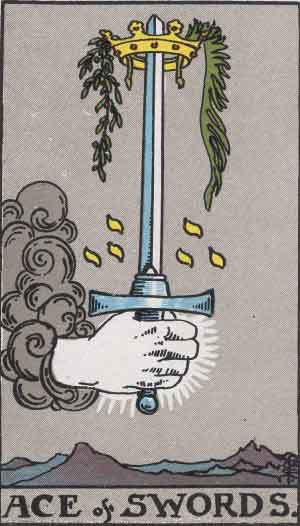 Ace of Swords
Swords · Ace
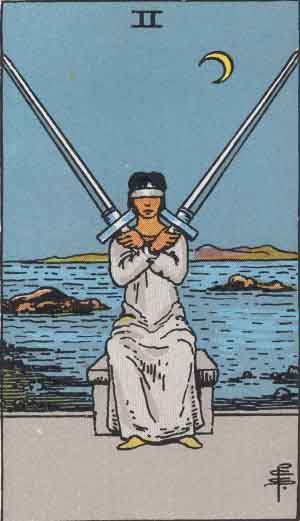 Two of Swords
Swords · Two
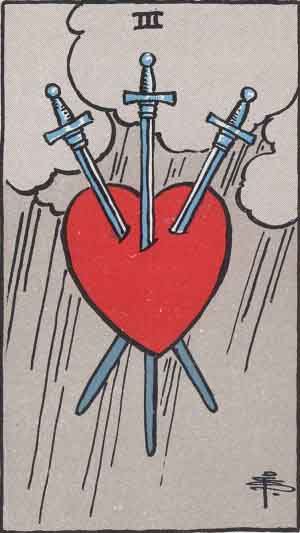 Three of Swords
Swords · Three
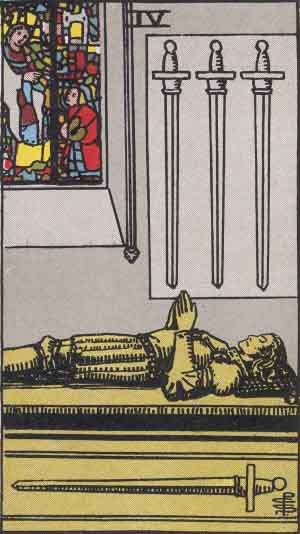 Four of Swords
Swords · Four
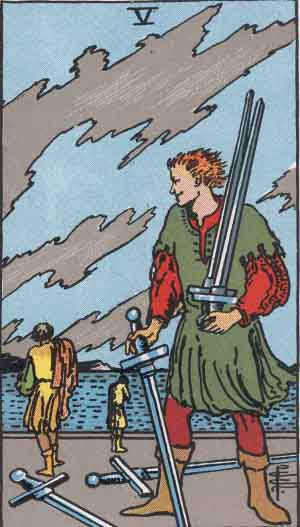 Five of Swords
Swords · Five
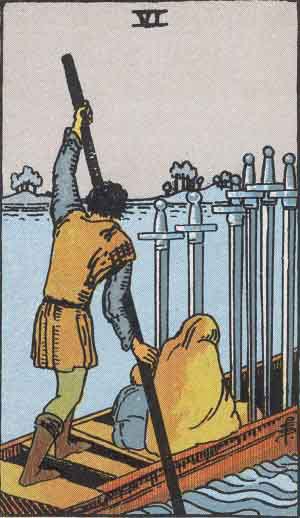 Six of Swords
Swords · Six
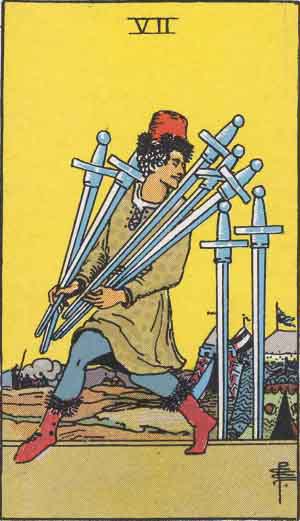 Seven of Swords
Swords · Seven
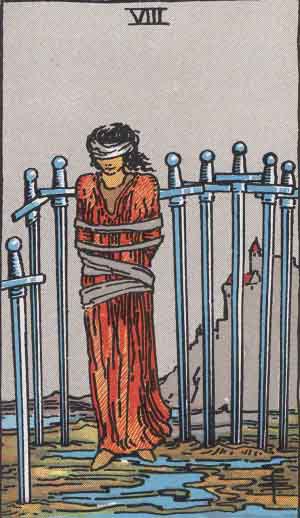 Eight of Swords
Swords · Eight
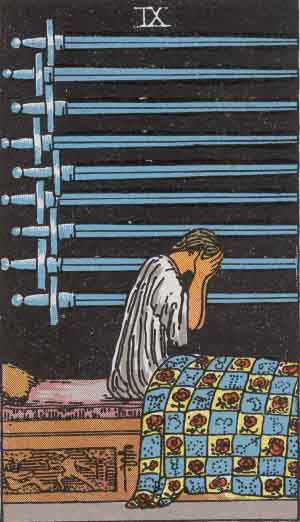 Nine of Swords
Swords · Nine
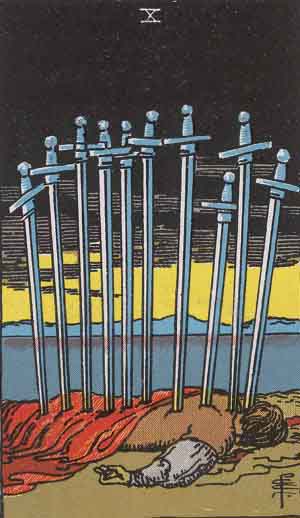 Ten of Swords
Swords · Ten
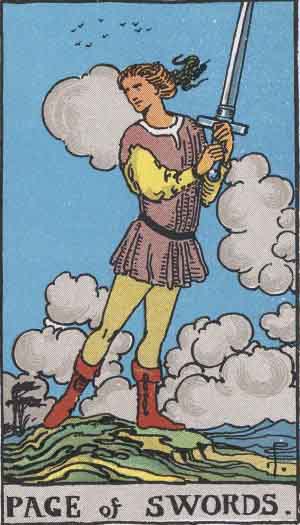 Page of Swords
Swords · Page
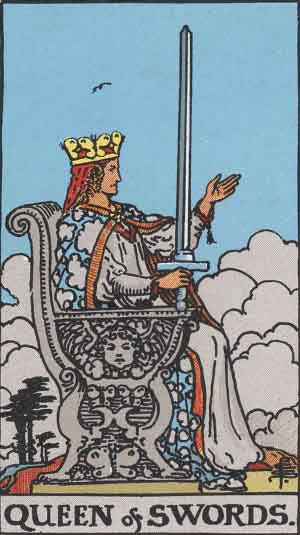 Queen of Swords
Swords · Queen
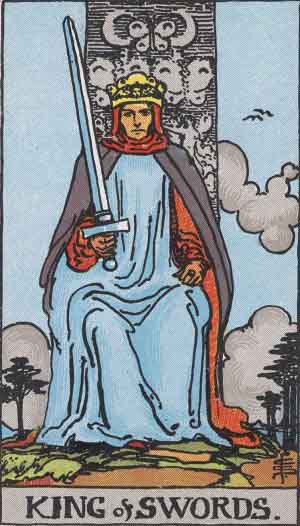 King of Swords
Swords · King
Frequently Asked Questions
Is the Knight of Swords a good card?
It can be, depending on how the energy is used. It brings drive, courage, and momentum. It also reminds you that speed without thought can cause harm.
What does the Knight of Swords mean in love?
In love, it means a direct, fast-moving, and intense approach to romance. It can signal bold honesty or a whirlwind attraction, and it values truth over comfort.
What does the Knight of Swords reversed mean?
Reversed, it signals recklessness, aggression, impatience, or burnout. It can also point to someone who won't listen or who rushes into conflict.
Knight of Swords Yes/No?
Usually yes, especially for questions about action, ambition, and speaking up. Reversed, it can mean "no" or "slow down."
Knight of Swords meaning as feelings
It can show that someone is strongly drawn to you and eager to act. Their feelings may be intense, though driven more by excitement than depth.
What does the Knight of Swords mean as intentions?
It suggests the person is direct and knows what they want. Reversed, they may be pushy, impulsive, or quick to lose interest.
What does the Knight of Swords mean in career readings?
It points to ambition, fast-moving projects, bold decisions, and confident communication. It encourages action backed by preparation.
What is the element of the Knight of Swords?
Air, the element of thought, communication, and perception.
What does the Knight of Swords mean in the future position?
Rapid change, a bold opportunity, or an ambitious person is coming. Things may move faster than expected.
What does the Knight of Swords symbolize spiritually?
It stands for the warrior of the mind: acting on your truth with courage, while learning to temper conviction with wisdom and compassion.