Seven of Swords: Strategy, Secrecy, and the Truth Behind the Plan
The Seven of Swords is the seventh card of the Suit of Swords and represents strategy, secrecy, deception, and acting alone. After the shared journey of the Six, this card shows someone slipping away by themselves. It is the moment you choose cleverness over directness: a plan kept quiet, a truth left unsaid, or a shortcut taken. It is a card of tactics and cunning, but also of conscience, because it asks whether the way you are winning is the way you want to win.
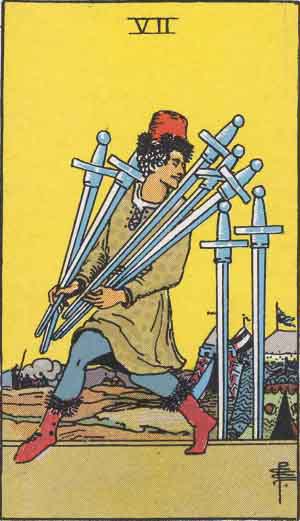
In the Rider-Waite-Smith deck, a figure tiptoes away from a military camp, carrying five swords in his arms. Two swords remain stuck in the ground behind him. In the background, tents and a group of people can be seen, seemingly unaware. The figure glances back over his shoulder with a sly, watchful expression.
The image carries one of the main themes of the Seven: you can get away with something and still have to live with it. Clever plans have consequences, and the biggest one is often how they change the person making them.
If you are new to tarot, read our Tarot Card Meanings guide and our Suit of Swords guide to see how this card fits into the wider system. As the number seven, this card carries the energy of reflection, testing, and choice, which in Swords shows up as strategy and the question of integrity.
The Seven of Swords at a Glance
Seven of Swords at a glance
| Detail | Meaning |
|---|---|
| Card | Seven of Swords |
| Number | 7 |
| Arcana | Minor Arcana |
| Suit | Swords |
| Element | Air |
| Astrological association | Moon in Aquarius in the Golden Dawn system |
| Core themes | Strategy, deception, secrecy, avoidance, cunning, independence |
| Upright | Deception, sneaking around, strategy, acting alone, getting away with something, avoiding responsibility |
| Reversed | Confession, conscience, being caught, coming clean, rethinking a plan, self-deception |
Seven of Swords Tarot Card History
Swords are one of the four suits of early European card decks of the 15th century. In older Italian and Spanish decks, the number cards showed only the swords themselves, arranged in simple patterns. The Seven of Swords would have been seven blades, with no thief, no camp, and no sense of stealth.
Tarot began as a card game, and its use for divination developed later, mostly in the 18th and 19th centuries. As tarot became part of esoteric traditions, the Seven of Swords was linked to the Moon in Aquarius in the Golden Dawn system. The Moon is tied to the hidden and the changeable, and Aquarius is an Air sign associated with independence and unconventional thinking. This pairing is often read as unstable or shifting thought, which suits a card about secrecy and uncertain motives.
The image most readers know today comes from the Rider-Waite-Smith deck of 1909, created by Arthur Edward Waite and illustrated by Pamela Colman Smith. Smith's tiptoeing figure and sleeping camp turned a simple number card into a small story of stealth and risk, and it shaped nearly every modern version of the card.
Symbolism of the Seven of Swords
The Figure Tiptoeing Away
The figure moves quietly, almost on his toes, with a look of satisfaction and caution. He represents someone acting alone, relying on wit rather than force. The pose can suggest theft or deception, but it can also show careful strategy, such as avoiding a fight you cannot win.
The Five Swords He Carries
He holds five swords, which links back to the conflict and cost of the Five of Swords. They represent what he has chosen to take: tools, advantages, or information. He is carrying them awkwardly, which hints that his plan is not as smooth as he thinks.
The Two Swords Left Behind
Two swords remain upright in the ground. They suggest that he could not take everything, or that he has left something unfinished. They are a reminder that every plan has gaps, and that shortcuts often leave loose ends.
The Camp in the Background
The tents and the people suggest a community or opposition that he is evading. They are not paying attention, which implies the risk of being caught is real but not yet certain. The camp can also represent the people affected by his choices.
The Glance Over the Shoulder
His backward look shows awareness of risk. He is wary, alert, and perhaps uneasy. It points to the mental toll of secrecy: the constant checking, the worry about being discovered.
The Yellow Sky
The bright, pale background suggests the mind at work. The figure is operating in full daylight, which may hint that what he is doing is less hidden than he believes.
The Number Seven
Seven is the number of reflection, testing, and inner work. In many tarot suits, it is a moment of challenge or decision, where you must decide how to proceed. In Swords, the Seven shows the mind choosing a path of strategy and secrecy. After the shared transition of the Six, this card shows what happens when you go it alone, and asks whether independence has turned into avoidance.
The Upright Seven of Swords Meaning
The upright Seven of Swords usually signals deception, strategy, or acting in secret. You may be dealing with someone who is not being honest, or you may be tempted to bend the truth yourself. It can also show a clever, independent approach to a problem, especially when direct confrontation is not possible.
The Seven of Swords may appear when you are:
- - Keeping a secret or hiding something
- - Dealing with dishonesty or manipulation
- - Using strategy to avoid a conflict
- - Taking a shortcut
- - Acting without telling others
- - Avoiding responsibility
- - Feeling the need to protect yourself
- - Questioning whether someone can be trusted
The key lesson is the difference between strategy and deceit. Planning carefully is wise. Misleading others to get ahead has a cost. The card asks you to consider whether your plan fits your values, and whether you could stand behind it if it were seen in daylight.
The Seven of Swords Reversed Interpretation
Reversed, the Seven of Swords often points to the truth coming out. A secret may be revealed, a plan may fail, or a guilty conscience may push someone to come clean. It can show that the time for hiding is over and that honesty is becoming possible.
The reversed card can also suggest:
- - Confession or coming clean
- - Being caught or exposed
- - Guilt or a troubled conscience
- - Rethinking a plan
- - Returning something taken
- - Self-deception
- - Ignoring warning signs
- - Avoiding accountability a little longer
The reversed Seven asks: are you ready to be honest, or are you still telling yourself a convenient story? Relief often follows the truth, even when the truth is uncomfortable. Coming clean can be the first step toward rebuilding trust.
Keywords for the Seven of Swords Reversed
- Confession
- Conscience
- Being caught
- Coming clean
- Exposure
- Guilt
- Rethinking plans
- Self-deception
- Accountability
- Returning what was taken
The Seven of Swords in Love & Romance
In love readings, the Seven of Swords often points to secrecy, dishonesty, or a lack of transparency. If you are single, it may warn of mixed signals, games, or someone who is not being upfront about their intentions. It can also show that you are guarding your own feelings or hiding your true self out of fear. Be cautious about those who say one thing and do another.
If you are in a relationship, the Seven can suggest that one partner is withholding information, avoiding important conversations, or acting behind the other's back. It does not always mean infidelity. It may be a smaller secret or an avoidance of responsibility. The card encourages open communication, because trust is built on honesty, even when honesty is difficult.
The Seven of Swords in Love Reversed
Reversed, the Seven of Swords in love often shows the truth coming to light. A secret may be revealed, someone may confess, or the situation may become clearer. It can also suggest a chance to rebuild trust through honest conversation. On the other hand, it may show that you are ignoring red flags or telling yourself a more comfortable story than the facts support. Look honestly at what you see.
The Seven of Swords as Feelings
As someone's feelings, the Seven of Swords suggests they are holding something back. They may feel guarded, uncertain, or unwilling to share what is really going on. They may be protecting themselves or avoiding a difficult conversation. The card does not always mean a lack of feeling, but it does suggest that their emotions are not being fully expressed.
The Seven of Swords as Intentions
When asking about someone's intentions, the Seven of Swords can suggest they are not fully transparent. They may have a hidden agenda, or they may be acting out of self-interest. Pay attention to inconsistencies between their words and actions. Reversed, it can indicate that their intentions are becoming clearer, or that they are ready to be honest.
The Seven of Swords in Work & Career
The Seven of Swords in a career reading often points to strategy, competition, or a lack of transparency. It can indicate:
- - Office politics or hidden agendas
- - A colleague who may not be trustworthy
- - Taking credit for others' work
- - Cutting corners or avoiding responsibility
- - Using strategy to navigate a tricky situation
- - Confidential information or secrecy
- - Working independently or behind the scenes
- - A need to protect your ideas or position
The card advises you to be careful and observant. Double-check details, protect your work, and avoid shortcuts that could harm your reputation. If you are planning something, ask whether you could explain it openly.
The Seven of Swords in Career (Reversed)
Reversed, the Seven of Swords can show that dishonesty is exposed, a plan is discovered, or someone takes responsibility. It may also suggest a workplace where trust is being rebuilt. It can warn against ignoring signs of deception or avoiding accountability. Be honest, take ownership of mistakes, and aim for solutions that you can stand behind.
The Seven of Swords in Money
In financial readings, the Seven of Swords can indicate caution. It may point to deception, hidden fees, poor information, or financial dealings that are not fully transparent. It can also show a temptation to cut corners or avoid facing the numbers.
When reversed, it can mean:
- - Hidden financial information coming to light
- - Being caught in a mistake or shortcut
- - Coming clean about a money matter
- - Rethinking a risky plan
- - Avoiding financial responsibility
The card encourages you to read the fine print, verify claims, and be honest in your dealings. Protect yourself, and avoid schemes that seem too good to be true.
The Seven of Swords: Yes or No
For a yes or no question, the Seven of Swords is generally a "no" or "be careful." It suggests that the situation may involve secrecy, incomplete information, or risk. It is not always a firm no, but it advises caution.
The card is more likely to point toward "no" when the question involves:
- - Trusting someone who is evasive
- - A plan that depends on secrecy
- - Taking a shortcut
- - A situation with unclear facts
If the card is reversed, the answer may shift toward "yes," especially if the question is about the truth coming out or making an honest correction. Still, check whether the full picture is visible before you decide.
The Seven of Swords Advice
When the Seven of Swords is the advice card, the message is to be honest with yourself and aware of your surroundings. Look at the facts, not just the story you would like to believe. If something feels off, trust that instinct and investigate.
If you are tempted to take a shortcut or hide the truth, ask what it will cost you in the long run. Sometimes strategy is wise, but be sure it does not cross into deception. A clear conscience is worth more than a clever plan.
The Seven of Swords in Different Spread Positions
The Seven of Swords in the Past
You may have experienced deception, secrecy, or a time when you took a shortcut. The effects of that choice may still be shaping your present.
The Seven of Swords in the Present
You are in a situation involving strategy, secrecy, or mixed signals. It may be time to look closely at what is being said and what is being done.
The Seven of Swords in the Future
A hidden truth or a tempting shortcut may be ahead. It can also be a warning to stay alert and protect your interests.
The Seven of Swords as a Challenge
The challenge may be telling the truth, resisting the urge to avoid responsibility, or recognising when someone else is not being honest.
The Seven of Swords as an Outcome
The situation may involve secrecy or a plan that has consequences, but it can also lead to honesty and a fresh start if you choose openness.
The Seven of Swords and Its Elemental Correspondence
The Seven of Swords is linked with Air, the element of thought and communication. In many systems, it is also connected to the Moon in Aquarius. The Moon relates to the hidden and the changeable, while Aquarius is an Air sign associated with independence and unconventional ideas. Together they reflect the card's theme of secrecy and shifting motives. Tarot correspondences vary between traditions and decks, so treat them as guides rather than fixed rules.
The Deeper Spiritual Meaning of the Seven of Swords
Spiritually, the Seven of Swords is about integrity. It asks you to look at the gap between what you say and what you do, and to consider how secrets shape your inner life. The card teaches that carrying hidden truths can be a heavy burden.
It also reminds us that wisdom includes knowing when to be discreet and when to be open. Not every thought needs to be shared, but deception wears on the spirit. The Seven of Swords invites you to align your actions with your values, so that you can move through the world without looking over your shoulder.
Tarot Reading: Seven of Swords
When the Seven of Swords appears, reflect on these questions:
- - Is there something you are hiding, or something being hidden from you?
- - Are you acting out of strategy or out of fear?
- - Could you explain your plan openly?
- - What would honesty look like in this situation?
- - Is there a loose end you have left behind?
The Seven is especially meaningful alongside cards that signal truth, justice, or change. Always read it in context with the question and the surrounding cards.
Want to know what the Seven of Swords means for your own situation? Try our Free Online Tarot Reading and see how it connects with the rest of your spread.
The Seven of Swords and Other Cards
- Seven of Swords and Justice: A truth or consequence catching up
- Seven of Swords and The Moon: Hidden motives and illusions
- Seven of Swords and The Magician: Skilful strategy, or manipulation
- Seven of Swords and The Tower: A secret suddenly exposed
- Seven of Swords and Judgement: A reckoning and a chance to come clean
Explore the rest of the suit in our Suit of Swords guide.
Seven of Swords Tarot Card Keywords
Upright: Deception, strategy, secrecy, sneaking around, cunning, acting alone, avoidance, shortcuts, betrayal, getting away with something.
Reversed: Confession, conscience, being caught, coming clean, exposure, guilt, rethinking plans, self-deception, accountability, returning what was taken.
Conclusion: Key Takeaway from the Seven of Swords
The Seven of Swords is the card of strategy, secrecy, and the choice between cleverness and honesty. It reminds you that a plan is only as strong as the integrity behind it, and that the truth tends to surface in time.
When the Seven appears, ask yourself what you are hiding, what you are being told, and whether your approach reflects your values. Sometimes the boldest move is to stop sneaking and speak plainly.
Learn more in our Suit of Swords guide, or try a free online tarot reading to see what the Seven of Swords means in your own spread.
Explore the Other Swords Cards
Each card in the Suit of Swords marks its own stage, from the Ace to the King.
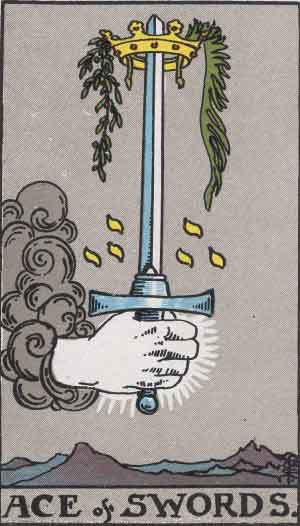 Ace of Swords
Swords · Ace
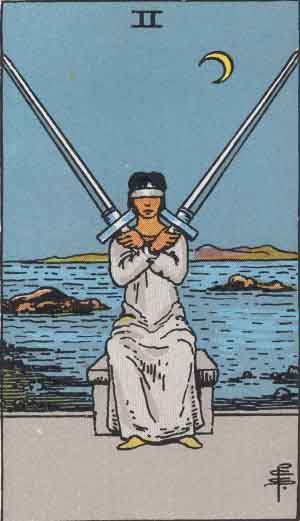 Two of Swords
Swords · Two
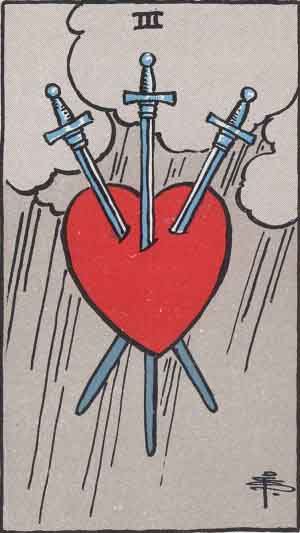 Three of Swords
Swords · Three
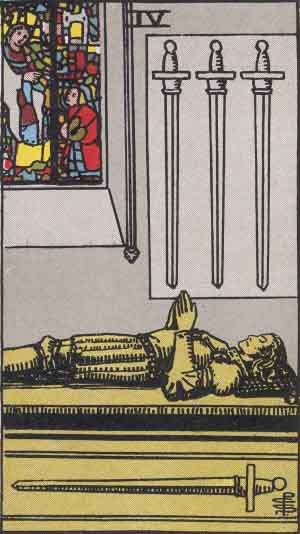 Four of Swords
Swords · Four
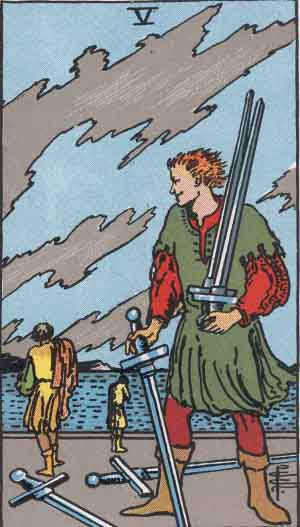 Five of Swords
Swords · Five
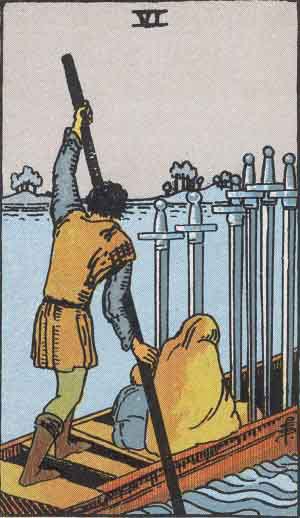 Six of Swords
Swords · Six
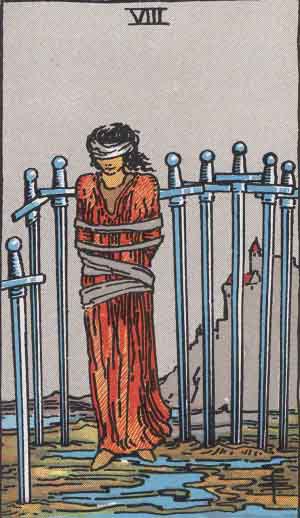 Eight of Swords
Swords · Eight
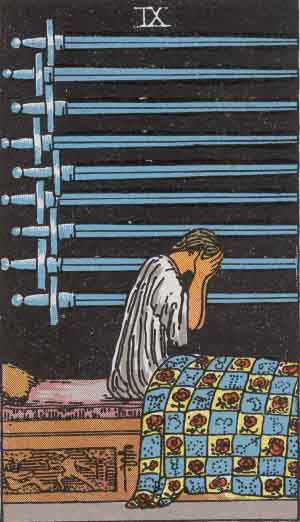 Nine of Swords
Swords · Nine
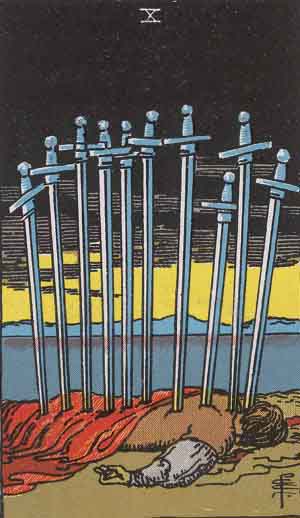 Ten of Swords
Swords · Ten
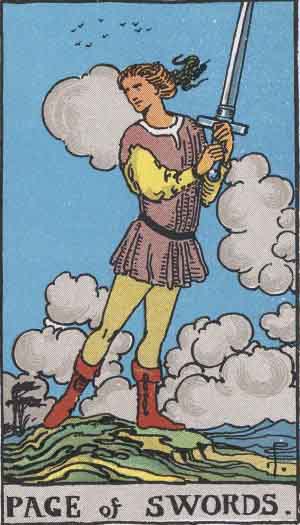 Page of Swords
Swords · Page
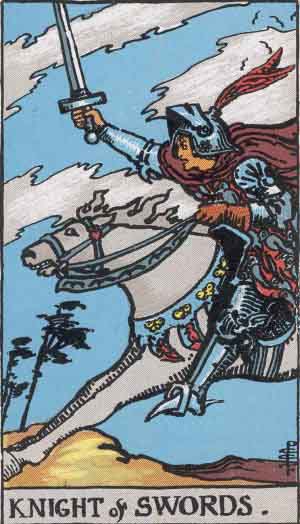 Knight of Swords
Swords · Knight
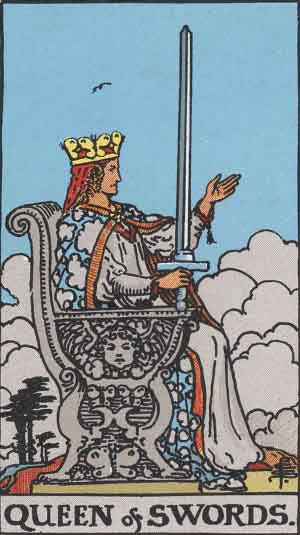 Queen of Swords
Swords · Queen
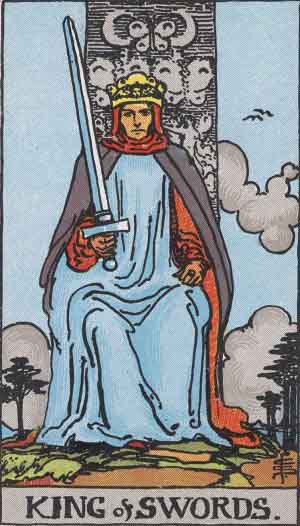 King of Swords
Swords · King
Frequently Asked Questions
What is the Seven of Swords tarot card meaning?
The Seven of Swords represents strategy, secrecy, deception, and acting alone. It often appears when someone is hiding something, taking a shortcut, or relying on cunning.
Is the Seven of Swords a negative card?
It can warn of dishonesty, but it is not purely negative. It can also show smart strategy and independence. The key is whether the approach is honest and fair.
What does the Seven of Swords mean in love?
In love, it suggests secrecy, mixed signals, or a lack of transparency. It encourages open communication and cautious trust.
What does the Seven of Swords reversed mean?
Reversed, it suggests confession, being caught, or coming clean. It can also mean self-deception or avoiding accountability.
Is the Seven of Swords a yes or a no?
Usually a "no" or "be careful," since it points to secrecy and incomplete information. Reversed, it may lean toward yes if the truth comes out.
What does the Seven of Swords mean as feelings?
It suggests that the person is holding something back or not fully expressing their emotions.
What does the Seven of Swords mean as intentions?
It can suggest a lack of transparency or a hidden agenda. Reversed, it points to intentions becoming clearer.
What does the Seven of Swords mean in a career reading?
It points to strategy, office politics, or secrecy. It advises caution, honesty, and protecting your work.
What zodiac sign or planet is the Seven of Swords?
In the Golden Dawn system, it is linked to the Moon in Aquarius. Correspondences vary between traditions and decks.
What does the Seven of Swords mean in the future position?
It suggests a hidden truth or a tempting shortcut ahead, and a reminder to stay alert.
What is the spiritual meaning of the Seven of Swords?
It represents integrity, the burden of secrets, and the importance of aligning actions with values.