King of Swords: Authority, Intellect, and the Power of Fair Judgment
The Queen of Swords is the keen independent voice of the Suit of Swords. She is the clarity, the honesty, the perception and the strength you acquire from terrible lessons. She is the experienced thinker of the suit, straight, fair and unsentimental. She has a mind that can see through excuses and a heart that has been tested.
In the Rider-Waite-Smith deck, a queen is seated on a stone throne far above the ground, decorated with butterflies and cherubs. She holds a sword erect in her right hand, and extends her left hand outward, as if encouraging truth or asking for plain speaking. She wears a butterfly hat, clouds float behind her, a solitary bird hovers above. The sky is clear and frigid, the wind lifts her cloak.
The illustration conveys the card’s fundamental lesson: clarity and compassion can coexist. If you’re new to tarot, check out our Tarot Card Meanings guide and Suit of Swords guide to see how this card fits into the greater deck. As a Queen, this card might represent a person or force who is insightful, autonomous, and unafraid to speak what has to be expressed.
The King of Swords at a Glance
King of Swords at a glance
| Detail | Meaning |
|---|---|
| Card | King of Swords |
| Rank | King (court card) |
| Arcana | Minor Arcana |
| Suit | Swords |
| Element | Air |
| Astrological association | Air signs (Gemini, Libra, Aquarius) in many modern traditions |
| Core themes | Authority, intellect, truth, discipline, fairness, strategy |
| Upright | Clear judgment, intellectual authority, integrity, logical decisions, expertise |
| Reversed | Abuse of power, cruelty, manipulation, rigidity, cold-hearted logic |
The King of Swords Tarot Card’s History
Swords is one of the four original suits of the 15th century European card decks . In Italian and Spanish decks , Swords was depicted as actual swords . The early court cards usually had a monarch , a queen , a knight or cavalier , and a page or knave . Each was costumed to indicate rank . The highest court dignitary was the King, a sovereign with absolute powers.
Tarot originated as a card game; the use of cards for divination developed later, especially in the 18th and 19th centuries. The King of Swords most readers know is from the Rider-Waite-Smith deck of 1909, created by Arthur Edward Waite and drawn by Pamela Colman Smith. Smith’s calm, forward-facing king established the foundation for many modern iterations. Some cards use the title King and the Golden Dawn tradition uses the title Knight of Swords, with a separate court naming convention.
Symbolism of King of Swords
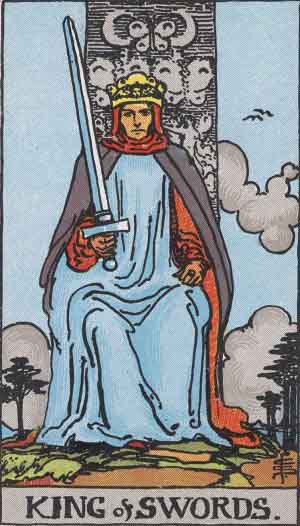
The King on His Throne
He is sitting straight and gazing front, which indicates authority, stability and confidence. Unlike the Queen, who glances a little to the side, the King stares squarely at the observer, a sign of open, public judgement.
The Straight Sword
The sword is the symbol of truth, knowledge, and decision. Held straight in the right hand demonstrates a mind disciplined and ready. He uses it to judge and to set norms, not to hasten into conflict.
The Crown and the Clothes
The crown is sovereignty and mastery of intellect. The blue robe indicates calm, reason and the element of Air. The red cloak adds a hint of will and action. Together they present intellect supported by grit.
The Butterflies and the Crescent Moons
The butterflies carved into the throne represent transformation, while the crescent moons represent intuition. They propose that the King’s power has not been simply cold logic but a power that was developed through change and contemplation.
Clouds and the Pale Sky
The clouds behind him indicate the perpetual activity of thought, and his own immobility is the sign of his mastery over it. The light sky implies clarity and detachment, a mind that observes circumstances objectively.
The Birds
The birds in the distance are typically seen as ideas, messages or perspective. They reveal that his mind is not narrow, that he can see the picture as a whole.
The King in the Tarot
The King is the most elevated of the court cards and symbolises the full command of the suit's vitality. Where the Queen understands, the King orders and enforces. Kings are generally viewed as leaders, specialists, or authority individuals who apply their expertise to manipulate the environment around them. They may refer to a real person, but more typically to a manner of acting. In Swords the King is the completely realised mind, logical, ethical and resolute.
Meaning of the Upright King of Swords
The upright King of Swords indicates lucid, commanding thought. Maybe you are being tough, or using your knowledge, or standing on your morals. This card generally shows up when you require reasoning over emotion, a fair judgement, or the confidence to lead with understanding.
When you are: The King of Swords can appear when you are:
- - Rational decision making founded on facts
- - Leading with Integrity and Taking Responsibility
- - Using your knowledge or training
- - Looking for fairness or justice
- - Speak with clarity and conviction
- - Planning Discipline Plan
Handling a clever, moral and straightforward person. The core concept is that authority is gained by knowledge and integrity. Think hard. Be fair. Keep your word. But remember wisdom is listening, too.
King of Swords Reversed Meaning: How to Interpret
Reversed King of Swords – authority turns to control. You may be too strict, excessively critical, or using intelligence to control. Logic can turn cold, strong principles can become inflexibility, or even cruelty. The reversed card can also signify:
- - Misuse of power or authority
- - Manipulation or psychological manipulation
- - Sharp, biting, or snide comments
- - A rigid mindset and a lack of listening
- - Avoiding emotion with logic
- - Dishonesty or unethical conduct
- - Being uncertain or not sure about your judgment
The inverted King asks, “Are you leading with your mind or controlling with your mind?” Sometimes the answer is you need to soften and listen. Sometimes it’s that you need to reclaim your power and make the decision you’ve been avoiding.
King of Swords Keywords
Upright: Authority, knowledge, truth, good judgement, discipline, integrity, fairness, strategy, expertise, reasonin
Keywords Reversed: Misuse of power, Manipulation, Brutality, “Rigidity”, Coldness, Lying down, Condescension, Control, Lack of decision
Romance and Love of the King of Swords
The King of Swords in love readings indicates honesty, loyalty and a mature, reasonable approach to partnerships. If you are single it can signify that you are looking for a companion that is clever, courteous and straight forward. It may also mean that you will encounter someone with authority, experience or strong convictions. “Perhaps you are in deep thought about what you truly want.
In a relationship the King might mean open communication, justice and commitment based on shared ideals. It may also represent a companion who is reliable and considerate but reticent. The card stands for truth and respect, yet it is more logical than romantic.
Love and the King of Swords Reversed
The King of Swords Reversed can be a person who is cold, critical, controlling or a spouse who uses rationality to escape from emotion. It could be a sign of manipulation, emotional remoteness or refusal to compromise. Take the foot off the accelerator. Listen. Let feeling sit beside reason.
The King of Swords' Feelings
As someone’s feelings, the King of Swords can imply they are taking the connection very seriously and thinking things through. They may feel respect and dedication but it's shown via deeds and honesty, not feeling. Their emotions can be stable but not always displayed.
Intentions: King of Swords
This individual is honest and has principles, they know exactly what they want. If the King of Swords represents the intention... They are likely to be straight-shooters and follow through. If this card is reversed, it is a warning about a manipulative, dominating person, or someone who uses rationality to mask their true goals.
King of Swords: Work & Career
The King of Swords is a powerful card for dealing with professional questions. It may indicate:
- - Leadership by competence and fairness
- - Good decision-making and strategic planning
- - Law, medicine, academics, management, or analysis
- - Recognition or promotion for your expertise and Authority
- - Clear and professional communication
- - Legal, ethical, or regulatory issues
- - A Knowledgeable, fair, and demanding boss or mentor
The card asks you to take the lead with knowledge and sincerity. Be objective, maintain high standards, and communicate clearly.
The King of Swords Reversed in Careers
The reversed King might represent a boss who is overbearing, an authoritative figure who is harsh, or a company with rigorous regulations. You could be subjected to micromanagement, harsh criticism, or misuse of power. It can also warn you against being too rigid yourself. Respect others, be open to different perspectives, and maintain ethical standards.
King of Swords and Money
The King of Swords in a financial reading is about strategic, disciplined thinking about money. It could be the consequence of prudent investment, good guidance, or a strong financial plan. It reminds you to base judgements on facts, numbers and long term objectives. It can mean reversed:
- - Secrecy or control over financial matters
- - Unethical or manipulative behaviour;
- - cold hard cash thinking
- - Disregarding sound counsel
- - Legal or contractual issues
- King of Swords Money Meaning: In money readings, King of Swords means to be strategic, informed and ethical.
King of Swords: Yes or No
The King of Swords is usually a yes for yes or no questions, especially if the topic is about: Making a rational and well thought out decision
- Looking for a fair result
- Using knowledge or strength
- Truthfulness
- Addressing a legal or official issue
The yes is conditional: be fair and ethical. The response may be "no" when reversed, especially if you are behaving out of control, pride or without all of the information.
King of Swords – Guidance
The King of Swords is your advise card. The lesson here is clear: lead with your mind and your integrity. Gather the facts, look at them fairly and make a conclusion. Stand for what you believe in and be willing to stand by it.
Be strict. But fair. The card also emphasises discipline and clear judgement. And it reminds that true power includes compassion. A strong mind is at its best in the service of truth and justice, not ego.
King of Swords in Various Spread Positions
King of Swords (Reversed); What got you where you are now was a firm decision, a period of discipline, or an authoritative figure. Perhaps you used reasoning and skill to solve a challenge.
King of Swords (present): You are in authority, in a strong-minded phase. Focus on facts, think strategically and act with integrity.
King of Swords (Future): A just verdict, a great choice, or an intelligent and principled person is coming. Soon you could have to lead or depend on expert counsel.
The King of Swords Challenge
It could be about blending reasoning with empathy, not being inflexible, or utilising authority with care. You may also have to cope with someone who is domineering or too critical.
Outcome: King of Swords
It generally implies a fair outcome, a reasoned judgement or success via knowledge and integrity. The result is achieved via clean thoughts and ethical behaviour.
King of Swords Meaning & Element
The King of Swords corresponds to Air, the element of mind, communication and perception. Air is clear, swift and invisible, as befits a card of disciplined intelligence and fair judgement. In the Golden Dawn system, the Knight of Swords (which they call the King) is associated with the fiery aspect of Air, a combination of brilliance and ambition. Tarot correspondences vary from tradition to tradition and deck to deck, so use the element as a suggestion rather than a requirement.
The King of Swords: A Deeper Spiritual Meaning
Spiritually, the King of Swords is about the mind serving truth. It is the point where information has turned into wisdom and you use your brain to navigate yourself and others ethically.
The card also says that with power comes responsibility. Fairness, honesty and clear judgement put order and trust in its place. The King calls upon you to lead with integrity, and to let reason and compassion go together.
The King is especially potent when paired with cards of justice, leadership and strategy. Always interpret it in context with your question and the surrounding cards. Wondering what the King of Swords signifies for you? See how it goes throughout the rest of your spread with our a personalised tarot card reading on the astrotime app.
The King of Swords and Other Tarot Card
- King of Swords + Justice: A fair judgement based on facts.
- king of Swords and The Emperor: Controlled, strategic power
- King of Swords and Ace of Swords: Clear notion backed by authority
- King of Swords and The Hierophant: Laws, regulations and formal understanding
- King of Swords and The Empress: Logic meets compassion
See the rest of the suit in our Guide to the Suit of Swords.
King of Swords Tarot Keywords
Upright: Authority, knowledge, truth, clear judgement, discipline, integrity, fairness, strategy, expertise, reasoning.
Reversed: Manipulation, abuse of authority, brutality, rigidity, coldness, dishonesty, control, indecision, disdain.
King of Swords Tarot Card Meaning: Things to Consider
The King of Swords is the card of authority, knowledge and fair judgement. It reminds you that power is in clear thought, honest action and the courage to accept responsibility.
When the King arrives, ask yourself what decision requires your best thinking, how you can lead with fairness, and where compassion should stand next to rationality. Be tactical. Be honest. Hold true to your values. Get the meaning of the King of Swords in your own spread with a free online tarot reading or read more on our Suit of Swords page.
Explore the Other Swords Cards
Each card in the Suit of Swords marks its own stage, from the Ace to the King.
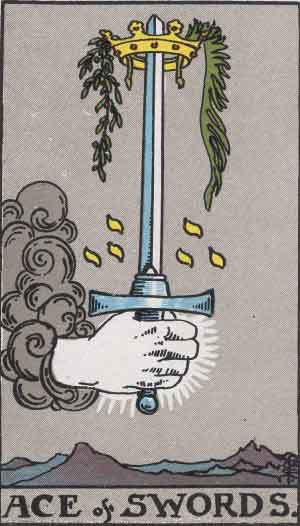 Ace of Swords
Swords · Ace
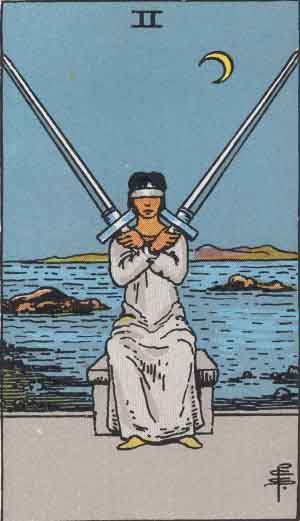 Two of Swords
Swords · Two
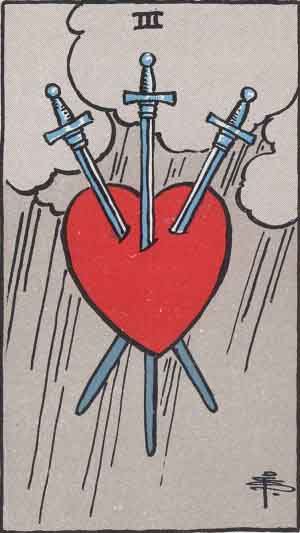 Three of Swords
Swords · Three
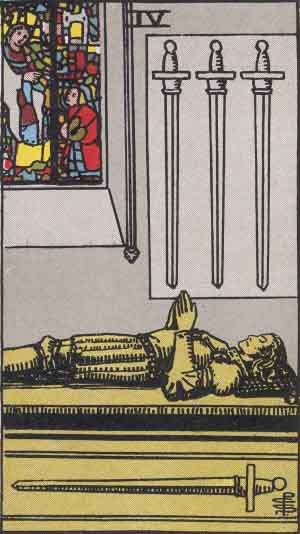 Four of Swords
Swords · Four
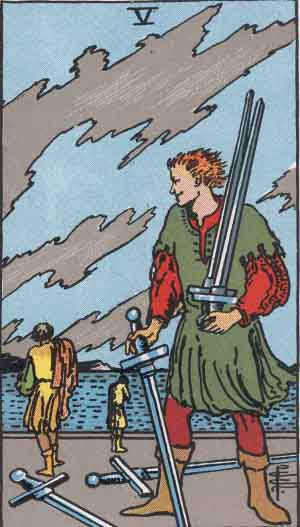 Five of Swords
Swords · Five
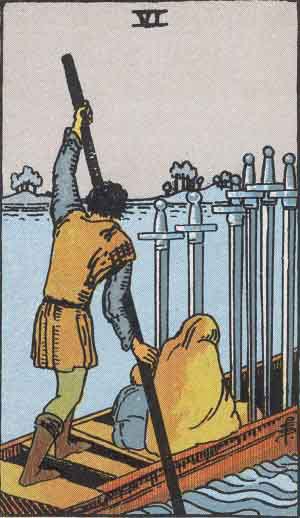 Six of Swords
Swords · Six
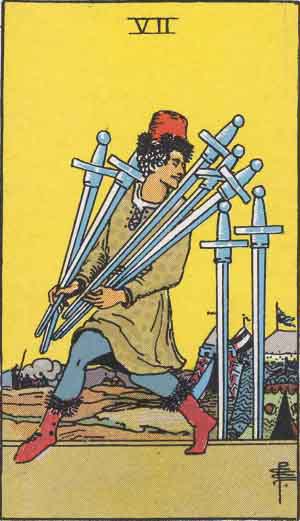 Seven of Swords
Swords · Seven
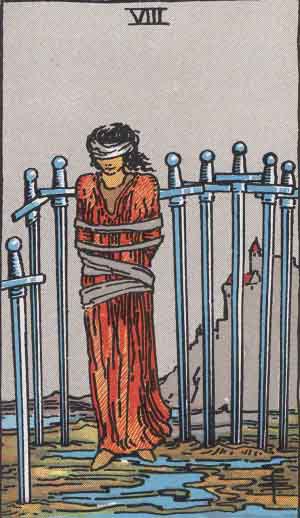 Eight of Swords
Swords · Eight
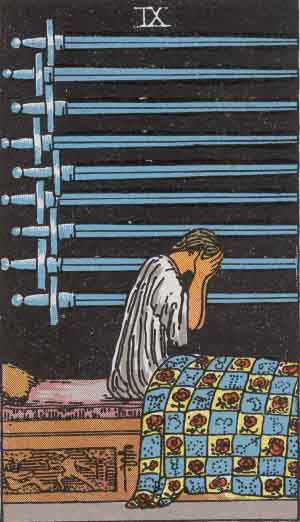 Nine of Swords
Swords · Nine
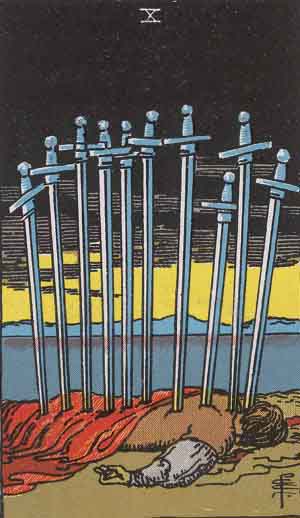 Ten of Swords
Swords · Ten
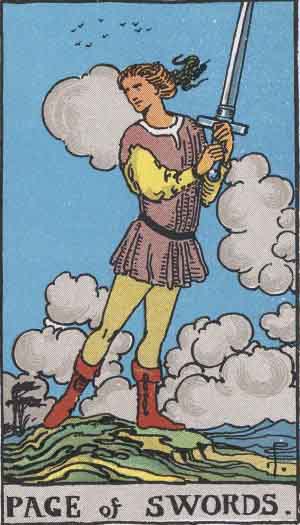 Page of Swords
Swords · Page
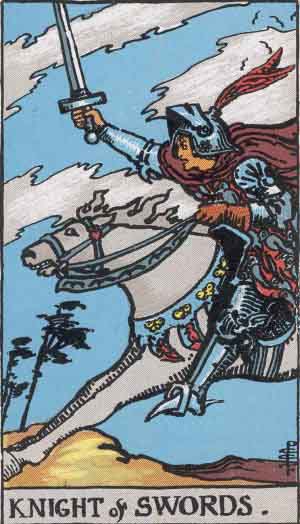 Knight of Swords
Swords · Knight
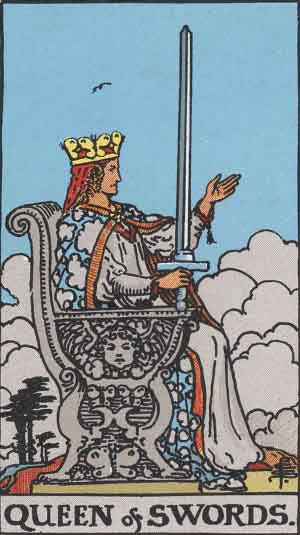 Queen of Swords
Swords · Queen
Frequently Asked Questions
Is the King of Swords a good card?
Yes, generally. It gives clarity, discipline and fairness. It also reminds you that power must be wielded properly, for logic without compassion can turn icy.
What is the meaning of the King of Swords in love?
In love it means honesty, faithfulness and a mature, sensible approach. It appreciates straightforwardness and respect, but can be distant.
What is the meaning of the King of Swords reversed?
Reversed it means abuse of power, manipulation, coldness or hard thinking. It can also mean a dominating individual or an inability to listen to others.
King of Swords Yes/No
Usually yes, especially in questions of logic, fairness and authority. It can imply 'no' backward.
King of Swords as Feelings Meaning?
It can indicate that a person is serious about the relationship and feels respect and commitment. They may express it in deeds rather than in feeling.
What is the meaning of the King of Swords in the future?
There is coming a fair judgement, an important choice, or a principled and intellectual individual. Soon you may need to lead, or to get expert guidance.
What does the King of Swords mean spiritually?
It represents the mind in the service of truth: the ethical use of knowledge and authority, and the partnership of reason and compassion.