
Six of Swords: Moving Toward Calmer Waters
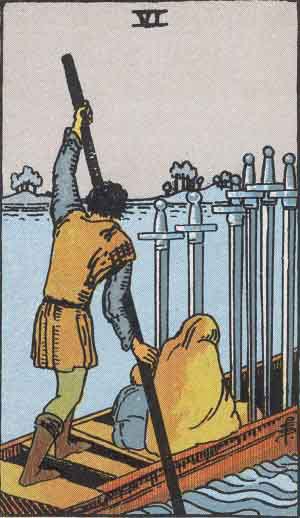
The Six of Swords is the sixth card of the Suit of Swords and represents transition, moving on, healing, and leaving troubles behind. After the conflict of the Five, this card offers a passage to something calmer. It is the moment you accept that a situation is over, gather what you need, and begin the journey toward a more peaceful place. It is a card of quiet progress: not a triumphant arrival, but a steady departure from difficulty.
In the Rider-Waite-Smith deck, a ferryman stands at the back of a small boat, poling it across a body of water. In the boat sit a woman and a child, both wrapped in cloaks with their heads bowed. Six swords stand upright in the bottom of the boat. The water on the left side, where they began, is choppy and turbulent. On the right side, where they are heading, it is calm and smooth, and a distant shore waits on the horizon.
The image carries one of the main themes of the Six: you can leave a hard chapter without forgetting it. The swords travel with you, but the journey itself is what carries you toward peace.
If you are new to tarot, read our Tarot Card Meanings guide and our Suit of Swords guide to see how this card fits into the wider system. As the number six, this card carries the energy of harmony, balance, and recovery, which in Swords shows up as a movement from turmoil toward calm.
The Six of Swords at a Glance
Six of Swords at a glance
| Detail | Meaning |
|---|---|
| Card | Six of Swords |
| Number | 6 |
| Arcana | Minor Arcana |
| Suit | Swords |
| Element | Air |
| Astrological association | Mercury in Aquarius in the Golden Dawn system |
| Core themes | Transition, moving on, healing, leaving the past behind, travel, relief |
| Upright | Transition, moving forward, recovery, leaving difficulty behind, calmer times, travel |
| Reversed | Resistance to change, unfinished business, being stuck, emotional baggage, slow progress |
Six of Swords Tarot Card History
Swords are one of the four suits of early European card decks of the 15th century. In older Italian and Spanish decks, the number cards showed only the swords themselves, arranged in simple patterns. The Six of Swords would have been six blades, with no boat, no passengers, and no water.
Tarot began as a card game, and its use for divination developed later, mostly in the 18th and 19th centuries. As tarot became part of esoteric traditions, the Six of Swords was linked to Mercury in Aquarius in the Golden Dawn system. Mercury is the planet of communication, travel, and the mind, and Aquarius is an Air sign tied to ideas and forward-looking change. This pairing fits a card about a mental shift and a journey toward a new perspective.
The image most readers know today comes from the Rider-Waite-Smith deck of 1909, created by Arthur Edward Waite and illustrated by Pamela Colman Smith. Smith's ferry scene gave the card its sense of gentle movement and quiet relief, and it shaped nearly every modern version of the card.
Symbolism of the Six of Swords
The Boat
The boat is the vehicle of transition. It carries its passengers from one state to another, and it suggests that you do not have to leap or run. You can move steadily and carefully, one stroke at a time. A boat also implies that you are being carried, and that you can accept help along the way.
The Ferryman
The ferryman guides the boat but does not speak or look back. He represents guidance, support, or the inner resolve that keeps you moving. Some readers see him as a helper, a mentor, or simply the part of you that knows the way forward. His role is to steer, not to decide where the passengers should end up.
The Woman and Child
The cloaked figures represent vulnerability and the emotional weight of leaving. Their bowed heads show sorrow or fatigue, yet they are moving on together. They can stand for people you are protecting, or for parts of yourself that are still healing. The child also suggests innocence and the hope of a fresh start.
The Six Swords
The swords stand upright in the boat, representing worries, memories, and lessons that come along on the journey. They are not thrown away. This shows that moving on does not mean pretending the past never happened. You carry the experience with you, but it no longer has to control you.
The Rough and Calm Water
The turbulent water on one side and the smooth water on the other show the shift from conflict to peace. It is a visual map of the card: you are in between, no longer in the storm, but not yet at the shore. Healing is a process, not a single moment.
The Distant Shore
The far bank is a symbol of hope and possibility. It is not fully clear, which suggests that you do not need to know every detail of what lies ahead. You only need to keep moving toward it.
The Number Six
Six is the number of harmony, balance, and cooperation. It often signals a move toward stability after difficulty. In Swords, the Six follows the conflict of the Five and begins the shift toward resolution. The mind starts to settle, and the focus turns from fighting to finding a way through. It is the first real sign that things are improving.
The Upright Six of Swords Meaning
The upright Six of Swords usually signals a transition. You may be leaving a difficult situation, moving to a new place, ending a chapter, or shifting to a healthier mindset. The card brings a sense of relief, even if the process is sad or bittersweet. It suggests that better days are ahead and that you are already on your way.
The Six of Swords may appear when you are:
- - Leaving a stressful situation behind
- - Moving to a new home, job, or phase of life
- - Recovering after a hard time
- - Travelling, especially over water
- - Seeking a calmer environment
- - Accepting help or guidance
- - Carrying lessons from the past
- - Making a gradual, thoughtful change
The key lesson is that healing is a journey. You do not have to feel completely ready, and you do not have to have all the answers. The card asks you to keep moving, trust the process, and allow yourself to leave what no longer serves you.
The Six of Swords Reversed Interpretation
Reversed, the Six of Swords often suggests resistance to change or difficulty moving on. You may be holding on to the past, stuck in a situation you know you should leave, or carrying emotional baggage that slows your progress. It can also show that a transition is delayed, incomplete, or forced.
The reversed card can also suggest:
- - Being stuck or unable to move forward
- - Unfinished business
- - Reluctance to let go
- - Running away without resolving the issue
- - Carrying unprocessed emotions
- - A difficult or delayed journey
- - Resistance to help or guidance
- - Slow, uneven progress
The reversed Six asks: are you avoiding a necessary change, or are you leaving before you have dealt with what needs attention? Sometimes the baggage comes with you, wherever you go. Take time to process what you are carrying, so that your journey leads to real peace.
Keywords for the Six of Swords Reversed
- Resistance to change
- Unfinished business
- Being stuck
- Emotional baggage
- Delays
- Avoidance
- Slow progress
- Reluctance
- Rough journey
- Running away
The Six of Swords in Love & Romance
In love readings, the Six of Swords often signals a move toward healing and calmer times. If you are single, it may show that you are leaving behind a painful past relationship and moving toward a more peaceful emotional state. You may be ready to date again, or to approach love with new understanding. It can also suggest meeting someone through travel or a change of environment.
If you are in a relationship, the Six can show a couple moving through a difficult period together. It may suggest improving communication, a gradual rebuilding of trust, or a move such as relocating together. In some cases, it can mean a relationship is transitioning to a new phase, or even ending in a gentle, mutual way. The card encourages patience and steady progress.
The Six of Swords in Love Reversed
Reversed, the Six of Swords in love can mean difficulty letting go of a past relationship or reluctance to move on. You may be carrying old hurts into new connections, or avoiding an honest conversation that would help you both progress. It can also show a relationship that feels stuck, or a separation that is dragging on. Take time to heal and be honest about what you need.
The Six of Swords as Feelings
As someone's feelings, the Six of Swords suggests that they are in a period of emotional transition. They may be recovering from something painful and trying to move toward a calmer place. They may feel a mix of sadness and relief. This card can show that they care but are still processing past experiences, and need time to feel settled before they can fully open up.
The Six of Swords as Intentions
When asking about someone's intentions, the Six of Swords suggests they are moving toward change. They may be shifting their lifestyle, location, or mindset, and their intentions may be tied to a fresh start. It can also mean they are working through the past before committing to something new. Reversed, it may indicate hesitation, delay, or an unwillingness to move forward.
The Six of Swords in Work & Career
The Six of Swords in a career reading often points to a transition or change of scene. It can indicate:
- - Moving to a new job or company
- - Relocating for work
- - Leaving a stressful workplace
- - Business travel or a project involving travel
- - A calmer, more stable period after conflict
- - A gradual career change
- - Seeking mentorship or guidance
- - Shifting to a new approach or mindset
The card advises you to make changes thoughtfully. You do not have to rush, but you do need to keep moving. Be open to guidance, and trust that a calmer professional environment is within reach.
The Six of Swords in Career (Reversed)
Reversed, the Six of Swords can suggest delays, setbacks, or reluctance to leave a difficult job. You may feel stuck or unsure about making a change. It can also show that a transition is not going smoothly, or that unresolved issues are following you into a new role. Take time to address what is holding you back, and avoid leaving purely to escape.
The Six of Swords in Money
In financial readings, the Six of Swords often shows a move toward stability after a difficult period. It may point to recovering from financial stress, paying off debt, or making a plan to improve your situation. It can also indicate money linked to travel or relocation.
When reversed, it can mean:
- - Slow financial recovery
- - Difficulty leaving a stressful money situation
- - Unresolved debts or issues
- - Carrying financial worries into new plans
- - Delayed or complicated moves
The card encourages you to take steady steps. Progress may be gradual, but each step moves you toward greater security.
The Six of Swords: Yes or No
For a yes or no question, the Six of Swords is generally a "yes," especially when the question concerns moving on, recovery, or change. It suggests that things are improving, even if slowly. The answer may come with a sense of letting go.
The card is more likely to point toward "yes" when the question involves:
- - Moving on from a difficult situation
- - Travel or relocation
- - Recovering from stress or loss
- - Seeking a calmer period
- - Accepting help
If the card is reversed, the answer may shift toward "not yet" or "no," especially if you are avoiding necessary change or still carrying unresolved issues.
The Six of Swords Advice
When the Six of Swords is the advice card, the message is to keep moving. You are on the right path, even if it feels slow or uncertain. Let go of what is weighing you down, and accept help where it is offered.
Be gentle with yourself. Transitions are rarely easy, and it is natural to feel a mix of sadness and relief. Trust that calmer waters are ahead. You do not have to forget the past, but you do not need to stay in it.
The Six of Swords in Different Spread Positions
The Six of Swords in the Past
You may have experienced a transition, a move, or a period of leaving something behind. The effects of that journey may still be shaping your present.
The Six of Swords in the Present
You are in a time of change or movement. You may be leaving a difficult situation and heading toward something calmer.
The Six of Swords in the Future
A transition, a journey, or a move toward peace may be ahead. It can also be a reminder to prepare for change and accept support.
The Six of Swords as a Challenge
The challenge may be letting go of the past, accepting change, or finding the courage to move forward without full certainty.
The Six of Swords as an Outcome
The situation is likely to lead to a calmer place, a new beginning, or a hard-won sense of peace.
The Six of Swords and Its Elemental Correspondence
The Six of Swords is linked with Air, the element of thought and communication. In many systems, it is also connected to Mercury in Aquarius. Mercury relates to the mind, travel, and communication, while Aquarius is an Air sign associated with progress and fresh perspective. Together they reflect the card's theme of a mental and physical journey toward a new understanding. Tarot correspondences vary between traditions and decks, so treat them as guides rather than fixed rules.
The Deeper Spiritual Meaning of the Six of Swords
Spiritually, the Six of Swords is about the passage between states of being. It reminds us that healing is a crossing, and that we can move from pain to peace without erasing what we have learned. The card invites you to trust the process, even when the destination is not fully visible.
It also teaches that we do not have to make the journey alone. Support can come in many forms, from people, from guidance, or from our own inner wisdom. The Six of Swords asks you to accept help, to carry your lessons gently, and to believe that calmer waters are waiting.
Tarot Reading: Six of Swords
When the Six of Swords appears, reflect on these questions:
- - What are you ready to leave behind?
- - What are you carrying with you, and do you still need it?
- - Are you moving toward something, or just running away?
- - Who or what is supporting you on this journey?
- - What would peace look like for you?
The Six is especially meaningful alongside cards that signal change, healing, or new beginnings. Always read it in context with the question and the surrounding cards.
Want to know what the Six of Swords means for your own situation? Try our Free Online Tarot Reading and see how it connects with the rest of your spread.
The Six of Swords and Other Cards
- Six of Swords and The Star: Healing and hope after a difficult time
- Six of Swords and The Fool: A bold move toward a new beginning
- Six of Swords and Death: A necessary ending that leads to transformation
- Six of Swords and The Chariot: A determined journey or relocation
- Six of Swords and Temperance: A gentle, balanced transition
Explore the rest of the suit in our Suit of Swords guide.
Six of Swords Tarot Card Keywords
Upright: Transition, moving on, healing, leaving the past behind, travel, relief, recovery, calmer times, guidance, progress.
Reversed: Resistance to change, unfinished business, being stuck, emotional baggage, delays, avoidance, slow progress, reluctance, rough journey, running away.
Conclusion: Key Takeaway from the Six of Swords
The Six of Swords is the card of transition, healing, and moving toward calmer waters. It reminds you that you can leave a difficult chapter without forgetting it, and that peace often comes through steady, thoughtful movement.
When the Six appears, ask yourself what you are leaving behind, what you are carrying with you, and what support you can accept. You do not need to see the whole shore to begin the crossing.
Learn more in our Suit of Swords guide, or try a free online tarot reading to see what the Six of Swords means in your own spread.
Explore the Other Swords Cards
Each card in the Suit of Swords marks its own stage, from the Ace to the King.
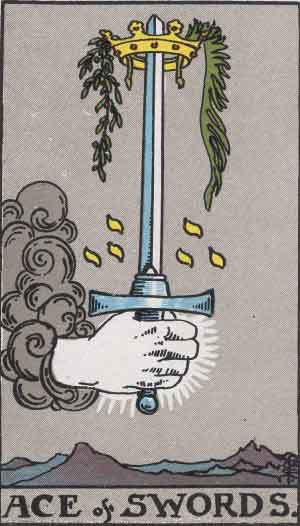 Ace of Swords
Swords · Ace
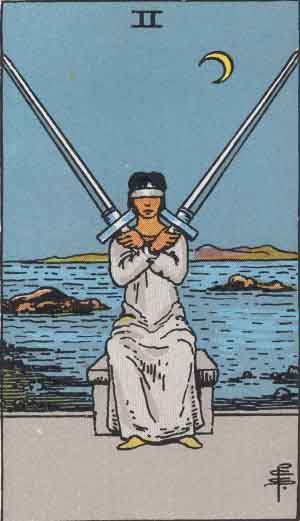 Two of Swords
Swords · Two
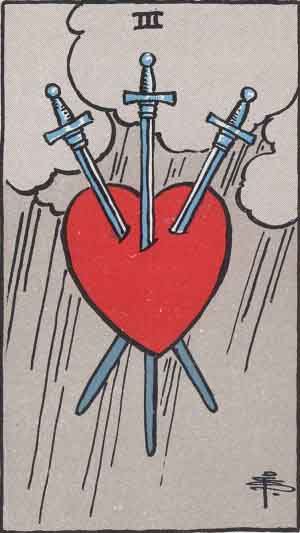 Three of Swords
Swords · Three
 Four of Swords
Swords · Four
 Five of Swords
Swords · Five
 Seven of Swords
Swords · Seven
 Eight of Swords
Swords · Eight
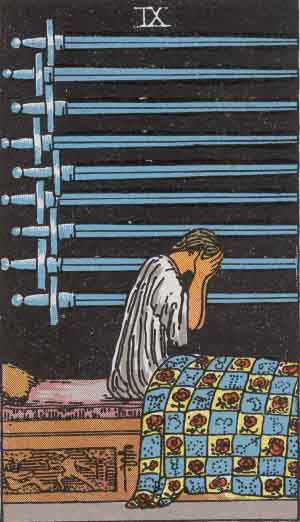 Nine of Swords
Swords · Nine
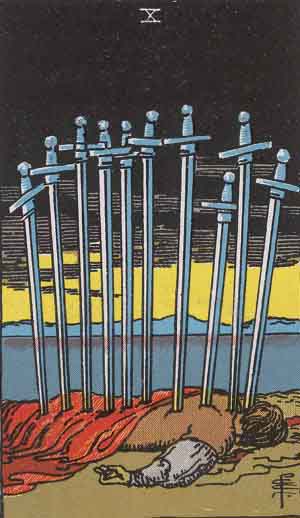 Ten of Swords
Swords · Ten
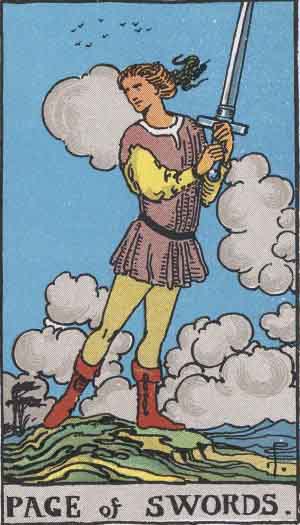 Page of Swords
Swords · Page
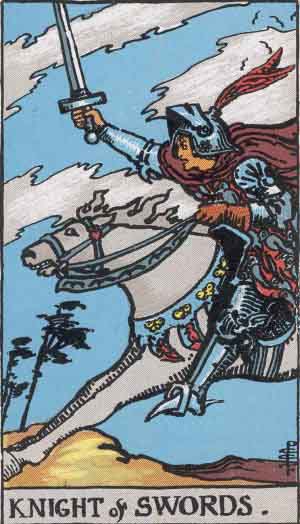 Knight of Swords
Swords · Knight
 Queen of Swords
Swords · Queen
 King of Swords
Swords · King
Frequently Asked Questions
What is the Six of Swords tarot card meaning?
The Six of Swords represents transition, moving on, healing, and leaving troubles behind. It often appears when you are heading toward a calmer, more peaceful phase of life.
Is the Six of Swords a negative card?
No. Although the figures look sorrowful, the card is about progress and relief. It shows that you are moving away from difficulty toward something better.
What does the Six of Swords mean in love?
In love, it suggests healing after pain, a gradual rebuilding of trust, or a move toward a calmer relationship. It can also point to leaving a past relationship behind.
What does the Six of Swords reversed mean?
Reversed, it suggests resistance to change, unfinished business, or difficulty moving on. It can also show a delayed or rough transition.
Is the Six of Swords a yes or a no?
Generally a "yes," especially for questions about moving on, recovery, or travel. Reversed, it may mean "not yet" or "no."
What does the Six of Swords mean as feelings?
It suggests that the person is in a period of emotional transition, recovering from something and moving toward calm. They may need time before they can fully open up.
What does the Six of Swords mean as intentions?
It suggests they are moving toward change or a fresh start. Reversed, it can point to hesitation or delay.
What does the Six of Swords mean in a career reading?
It points to a transition, such as a new job, a move, or a calmer period after conflict. It advises making changes thoughtfully and accepting guidance.
What zodiac sign or planet is the Six of Swords?
In the Golden Dawn system, it is linked to Mercury in Aquarius. Correspondences vary between traditions and decks.
What does the Six of Swords mean in the future position?
It suggests a transition or journey ahead, and a move toward a more peaceful phase.
What is the spiritual meaning of the Six of Swords?
It represents the passage from pain to peace, the importance of accepting help, and the idea that you can carry lessons without being weighed down by the past.