
The Emperor Tarot Card - Structure, Authority and Stability
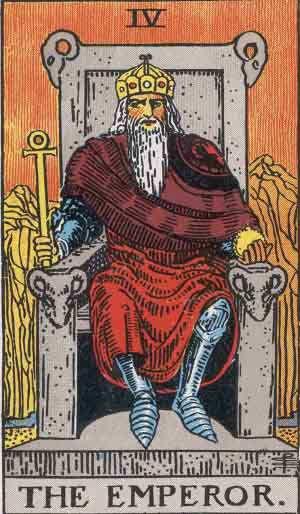
The Emperor, the fourth card of the Major Arcana, represents structure, authority, discipline, stability, and leadership. The Empress is all about caring, creativity, and plenty. The Emperor is all about order, boundaries, and practical action.
This card usually occurs when you need to take charge, establish stability, or make a solid decision. It can be the strong leader, the father figure, the established system, or your own capacity to take responsibility.
The Emperor at his finest is confident, disciplined, protective, and dependable. In its shadow form, it can speak to control, rigidity, stubbornness, or a misuse of authority.
The Emperor at a glance
| Aspect | Details |
|---|---|
| Number | IV |
| Arcana | Major Arcana |
| Shared Link | Power, organization and management |
| Chemical Bonding | Fire |
| Main Themes | Stability, discipline, authority, control |
| Upright | Leadership, protection, structure, power |
| Inverted | Control, rigidity, domination, |
The Emperor Tarot Card History
The Emperor has been a part of Tarot decks since the very beginning of Tarot's emergence in Europe. The earlier versions had him seated on a throne, an emblem of political power, authority, and worldly influence.
The Tarot grew, and the card took on more symbolism. In occult traditions, the Emperor is associated with order, masculine energy, leadership and the ability to make things happen.
Many of the symbols we associate with The Emperor today were given to it by the Rider-Waite-Smith Tarot: the stone throne, ram heads, red attire, mountains, and the orb and sceptre.
The Emperor Meaning and Importance
The throne of stone. The Emperor sits atop a sturdy stone throne, indicating stability, strength, and permanence. It denotes a person who has a sturdy base and is not readily rocked.
- Ram Heads: The ram heads tie The Emperor to Aries, a sign of courage, initiative, leadership and action.
- Royal: His crown is a symbol of leadership and duty. The Emperor is not only in power. And he's supposed to utilise it wisely.
- Sceptre: The sceptre denotes authority, influence and control of the physical world.
- Sphere; This orb is a sign of power and responsibility. It is a mirror of The Emperor’s position as the custodian and protector of what is under his charge.
- Red Clothes: Red is the colour of strength, passion, action, confidence and determination. It makes the card feel quite powerful and dynamic.
- Mountains: The mountains in the background of The Emperor stand for endurance, ambition, challenges and strength. They say discipline and tenacity are key to sustainable success.
- River: The minimal amount of water in the landscape implies emotion. The Emperor keeps emotions in check and is concerned with practical concerns, unlike the Empress.
Emperor Upright Interpretation
Upright, The Emperor is about power, structure, discipline, stability, and leadership. It pushes you to take responsibility and bring order to your life.
This card can signal a need to set limits, make a big decision, or take command of a situation. The Emperor is also about safety and dependability. It can recommend developing something that can withstand the test of time.
Keywords: leadership, discipline, structure, stability, protection, responsibility, control, power.
The Meaning of the Emperor Reversed
The reversed Emperor can point to an unhealthy relationship with power and control. You can be working with someone who is too controlling, inflexible, confrontational, or reluctant to compromise.
It might also mean that there is no structure. You may feel that your life lacks direction, discipline, or stability, rather than having too much control.
Keywords: Control, domination, rigidity, stubbornness, violence, lack of discipline, instability.
The Emperor and Love & Relationships
In love The Emperor might signify stability, commitment, protection, and a committed relationship. Maybe someone wants to develop something that lasts and they can depend on. It might also be indicative of a partner that is confident, traditional, protective or one who naturally takes the lead.
The Emperor Reversed – Love
The Emperor Reversed might represent control, possessiveness, emotional remoteness, or power battles. One person could be trying to dominate the relationship and create an unequal partnership.
The Emperor as Emotions and Feelings
The Emperor is frequently associated with restrained, stable emotions. Someone could care a lot but prefer to communicate their feelings with actions and not with words. It might be about respect, loyalty, protectiveness, and the need for stability. In reverse it can represent emotional repression, stubbornness or difficulty in showing sensitivity.
The Emperor as the Wants
The Emperor typically signifies serious and stable goals. Maybe someone wants to build stability, commitment or a clear path. When turned upside down their goals could be control, holding onto power or avoiding emotional vulnerability.
The Emperor at Work and in Career
The Emperor is a good career card. It is leadership, authority, organization, discipline and professional achievement. It may mean getting into a larger role, moving up to the management role, starting your own company or building a solid professional base.
Career: The Emperor Reversed
Reversed, The Emperor might point to work issues, bad leadership, micromanagement, inflexible processes or a power struggle. It may also mean that you need more discipline and structure if you want to achieve your goals.
The Moolah and the Emperor
The Emperor is about financial stability, planning, accountability, long term security. It encourages you to manage your money wisely, and to develop a firm foundation. It may also point to success in business, leadership, property or rigorous financial planning.
Reversed it can warn of financial control, reckless authority, inadequate preparation or undue materialism.
The Emperor Yes or No?
The Emperor is typically a Yes card. It implies that success is achievable with discipline, planning, accountability and taking charge of the issue.
The Emperor as Guide
The Emperor encourages you to develop structure and assume responsibility as direction. Set clear boundaries, make a practical plan and follow through. Don’t wait for someone else to take the reins of your life.
The Emperor Tarot Card Meaning
The Emperor of Days Gone By. The Emperor in the past can point to a time subject to authority, discipline, family structure, or a significant father figure. It may indicate that your current status was affected by regulations, obligations or the drive to become independent.
The Present Emperor
The Emperor begs you to take control. Create stability in the present situation. You may have to make a tough call, or set some tougher boundaries.
The Emperor of the Future
The Emperor implies more stability, responsibility, authority or security in the long term, in the future position. You can find yourself in a leadership capacity or finally build the framework you need.
The Emperor as a Challenge
The Emperor may test you on matters of control, authority, stubbornness or inflexibility of thinking. You may need to learn when to lead, when to listen.
The Emperor consequently
Therefore, The Emperor indicates stability and a sturdy foundation. Being disciplined and responsible might make your position more organised and safe.
The Emperor’s Astrological Connection
The Emperor is firmly linked to the first sign of the zodiac, Aries. Aries gives courage, initiative, confidence, independence and leadership. This relationship shows The Emperor’s power to act and create authority.
From The Empress to The Emperor Journey
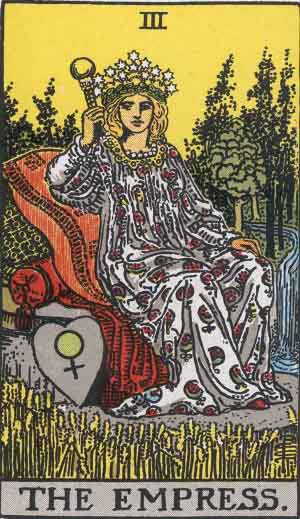
The Empress is about Growth, Creativity, Nurturing and Abundance. Then the Emperor follows and gives form and direction to that growth. Together they are two complementing forces. The Empress produces and nurtures, The Emperor protects, organises and builds. The transition from III to IV is about transitioning from creation to structure.
The Emperor's Overall Meaning
The Emperor is about to bring order out of chaos. He encourages you to be strong in your authority and take responsibility and create something stable. His message is more than simply manipulating others. This is about how to handle yourself. Your choices and your obligations. The Emperor reminds you that permanent achievement typically involves patience, discipline, boundaries and constant effort.
The Emperor in Tarot Reading
If The Emperor emerges in a reading, look at areas you need more order or authority. You might have to take charge, set limits, make a hard decision, or come up with a plan that will work. If reversed, think about if you are too controlling or need more discipline and stability.
The Emperor and other Major Arcana cards
- The Emperor + The Empress: A balance of structure and nurture.
- The Emperor + The Hierophant: Tradition, institutions, rules, established systems.
- The Emperor + The Lovers: Committed relationship or significant commitment.
- The Emperor + The Chariot: Strong drive and controlled ambition.
- The Emperor + Justice: Fair authority, accountability, and standards. The Emperor
- The Emperor + The Tower: A significant upheaval of an established structure.
- The Emperor + The Star: Rebuilding with optimism and a vision for the distant future.
Conclusion
The Emperor is power, structure, authority and stability embodied. And he reminds us that with power comes responsibility too. When you see this card, bring health and well-being to your home and family, bring order out of chaos and take positive, realistic actions toward your goals. The lesson of the Emperor is simple: lead with strength, but wield your power wisely.
Explore the Other Major Arcana Cards
Every Major Arcana card carries its own chapter of the tarot journey.
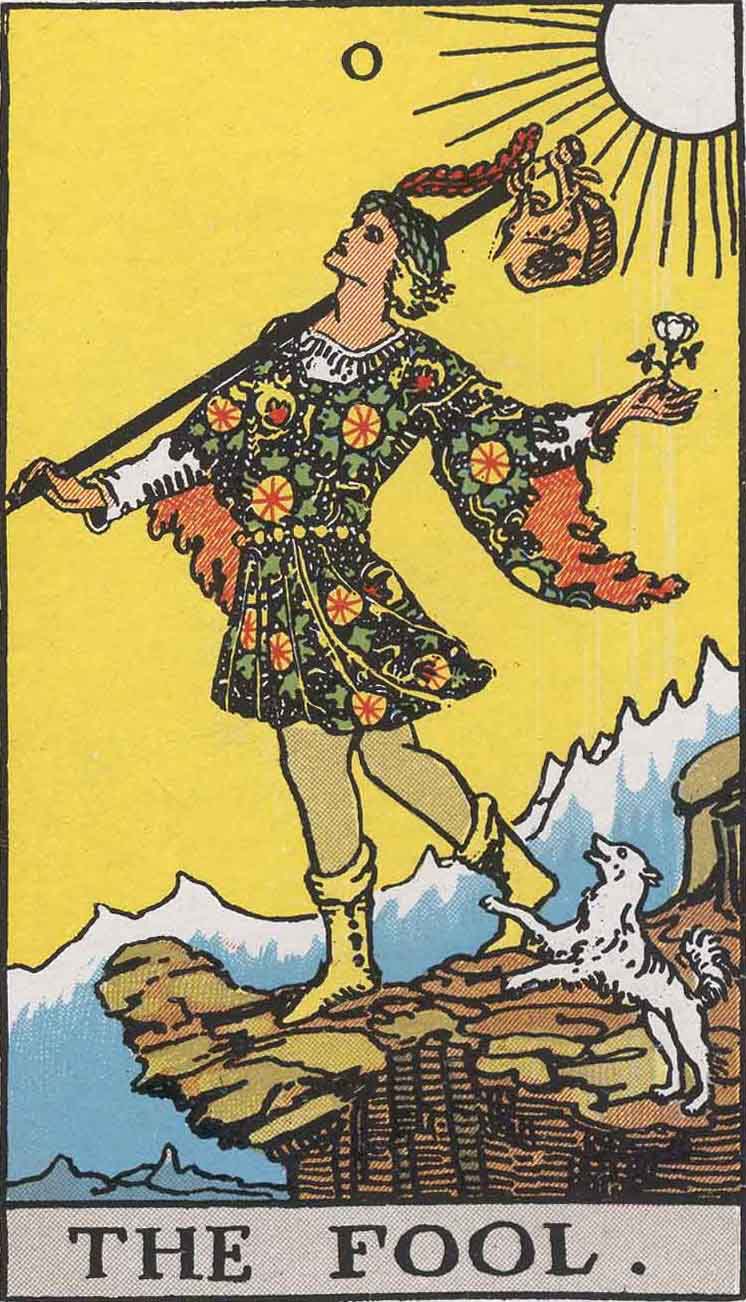 The Fool
Card 0
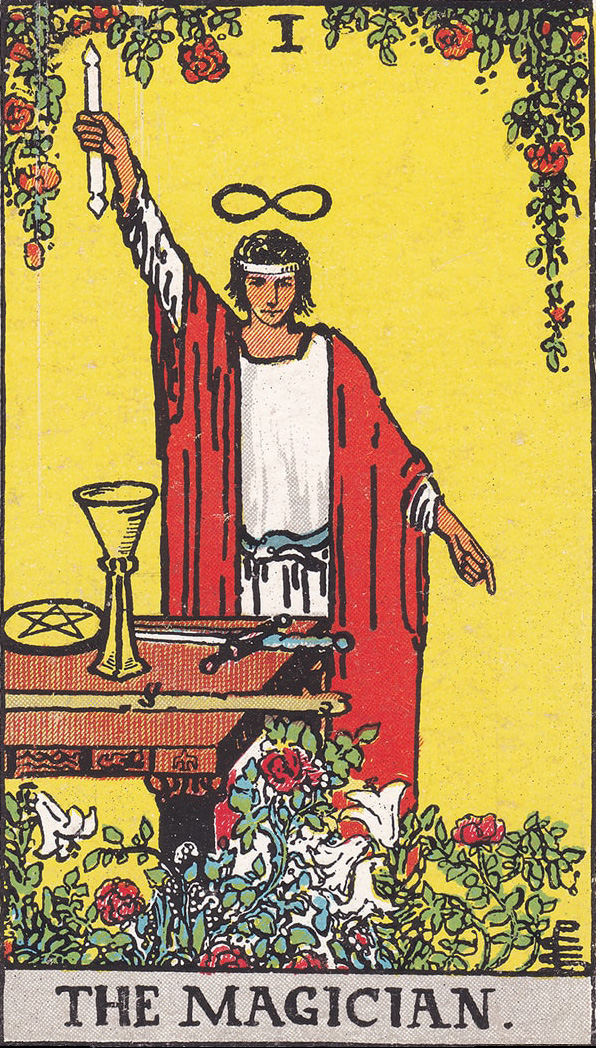 The Magician
Card 1
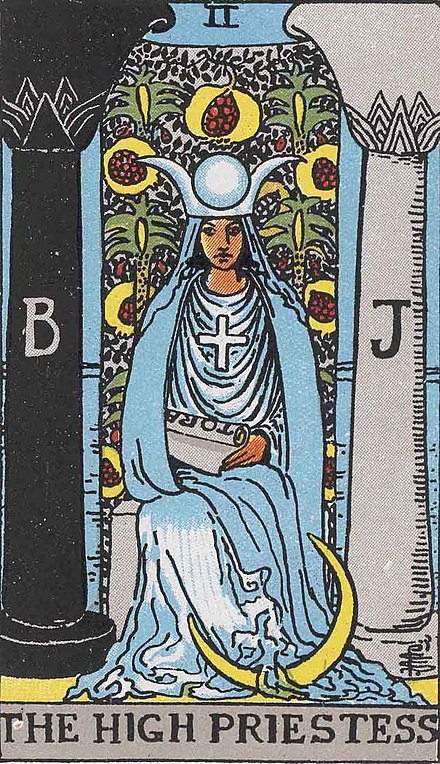 The High Priestess
Card 2
 The Empress
Card 3
 The Hierophant
Card 5
 The Lovers
Card 6
 The Chariot
Card 7
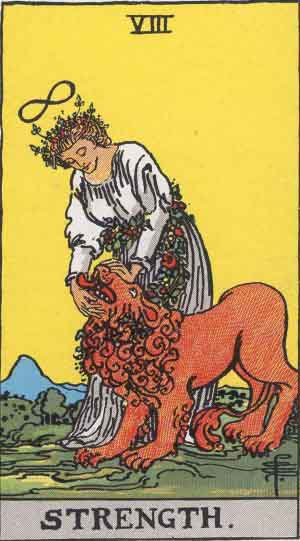 Strength
Card 8
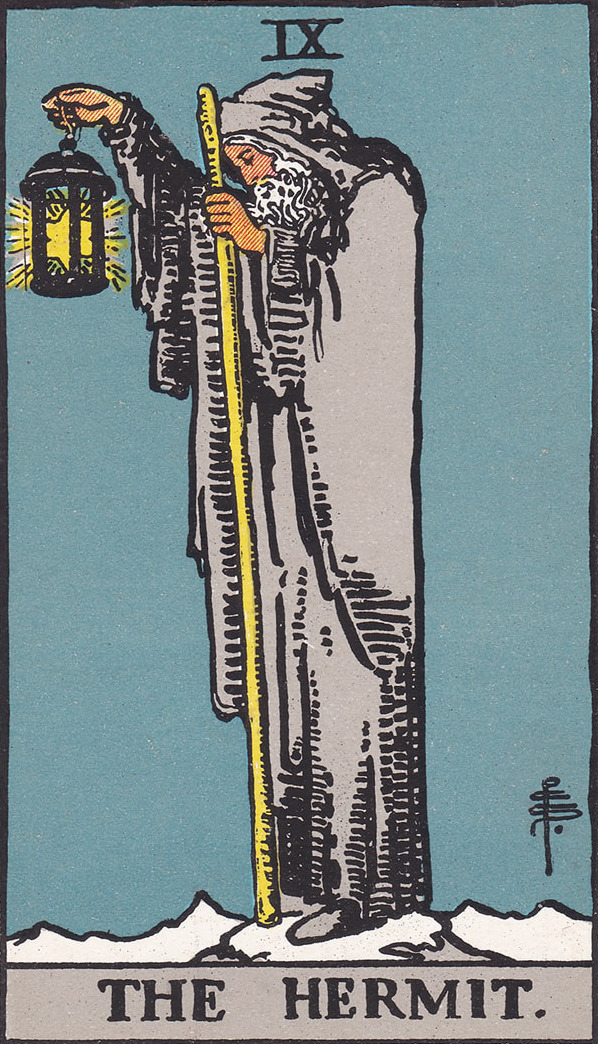 The Hermit
Card 9
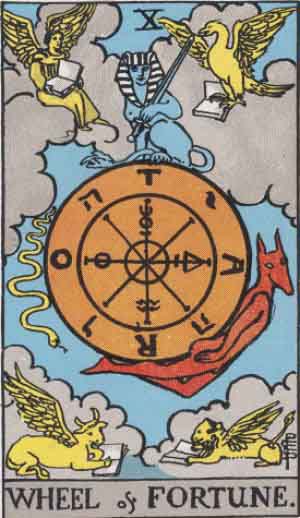 Wheel of Fortune
Card 10
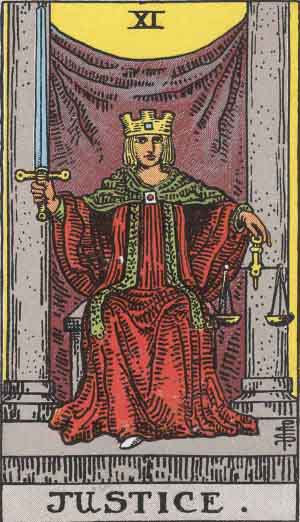 Justice
Card 11
 The Hanged Man
Card 12
 Death
Card 13
 Temperance
Card 14
 The Devil
Card 15
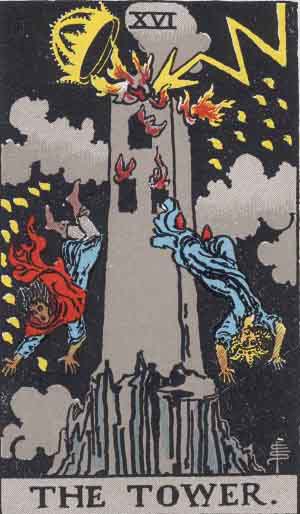 The Tower
Card 16
 The Star
Card 17
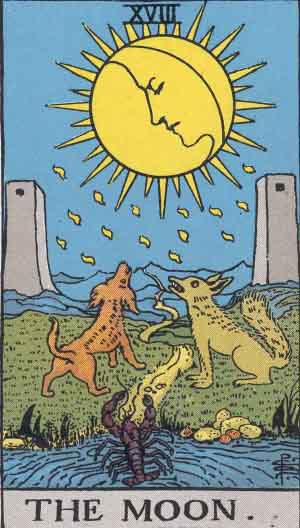 The Moon
Card 18
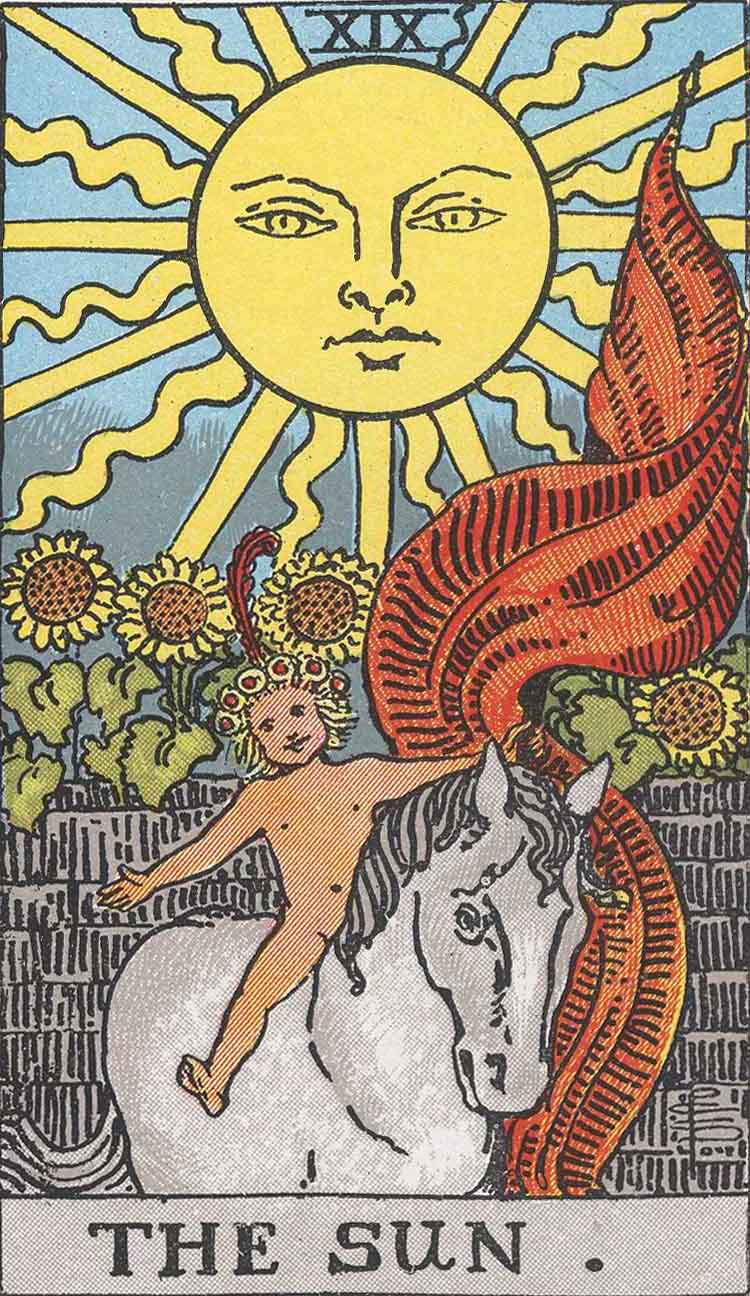 The Sun
Card 19
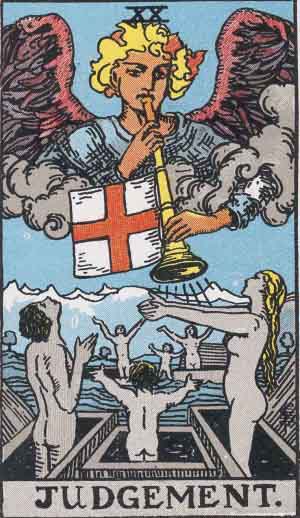 Judgement
Card 20
 The World
Card 21
Frequently Asked Questions
What is the meaning of the Emperor Tarot Card?
The Emperor is authority, structure, discipline, stability, leadership, and responsibility.
Is The Emperor a good Tarot card?
Yes. When you need stability, discipline, protection, or strong leadership, it’s a good thing.
What The Emperor Means in a Love Reading
The Emperor stands for dedication, stability, protection, and a serious attitude toward partnerships.
What is the meaning of The Emperor Reversed?
The Emperor reversed might mean control, rigidity, domination, stubbornness or lack of organisation.
Does 'The Emperor' mean 'Yes' or 'No'?
Yes. The Emperor is usually a yes, especially when success hinges on discipline and planning.
What does The Emperor mean in terms of feelings?
It can mean respect, loyalty, protectiveness, and steady feelings that might not be overtly expressed.
What are the intentions of the Emperor?
The Emperor often signals serious intentions by highlighting stability, commitment, and building a safe future.
What does the Emperor represent in a career reading?
It is about leadership, authority, accountability, organisation, and professional advancement.
What is The Emperor’s meaning for money?
The Emperor is about financial stability, and that is achieved by preparation, discipline, making prudent judgements, and thinking long-term.
What does the future position entail for the Emperor?
That means more stability, responsibility, authority, or the grounding of a sturdy base.
What is the Emperor's Spiritual Meaning?
The Emperor in a spiritual sense is inner authority, self-discipline, boundaries, responsibility, and grounded strength.
Why was the Emperor numbered as 4?
Number 4 means structure, stability, foundations, order, and security, and is hence strongly connected with The Emperor's energy.